Through the Years

Explore the evolution of hip-hop through a timeline highlighting the people, songs, albums, and innovations that shaped the genre into what it is today.

1973 to 1984

Foundations

Hip-hop began as party music in the South Bronx, among Black, Puerto Rican and Caribbean teenagers in a borough the city had left to burn. DJs, MCs, dancers and graffiti writers built a whole culture from turntables, funk records and spray paint, and within a decade it was on the radio, on film and on its way around the world.

Notable Figures
About this era How it sounded and looked, where and why it grew, and what it left behind

What it sounded like

DJs looped the drum breaks of funk records on two turntables while MCs hyped the crowd. The first records, from 1979, used studio bands replaying disco grooves; 'Planet Rock' brought the Roland TR-808 and Kraftwerk-style synths in 1982, and Run-DMC stripped everything back to hard drum machines and shouting by 1984.

What it looked like

Kangol hats, tracksuits, Puma Clydes and shell-toe Adidas, then Run-DMC's black leather and fedoras. Subway trains were the gallery for graffiti writers like Lee Quiñones, Lady Pink, Futura 2000 and Dondi. Record sleeves were mostly cheap label bags from Sugar Hill and Enjoy, until Run-DMC's stark black-and-white debut set a harder look.

Where and why it grew

The 1970s South Bronx had been cut apart by the Cross Bronx Expressway, landlord arson, the city's 1975 fiscal crisis and cuts to services. Young people with no money built a culture that cost nothing to join and offered battles in place of gang fights. By 1984 it had spread to Harlem, Queens, Philadelphia and Los Angeles, and films like 'Wild Style', 'Style Wars' and 'Beat Street' carried it abroad.

The technology

Direct-drive turntables like the Technics SL-1200 and two-channel mixers made the DJ techniques possible. The Roland TR-808 drum machine arrived in 1980, the 12-inch single gave rap room to stretch out, and cassette tapes of live parties spread the music before labels cared.

What it changed

Hip-hop gave Bronx youth a voice, a status system and an alternative to violence. 'The Message' proved rap could report on poverty and despair, and the four elements gave young people everywhere a way to make art with almost nothing.

What it left behind

DJing, MCing, breaking and graffiti came to be widely described as hip-hop's four elements, although the culture's practices and definitions evolved over time. The breakbeat led to sampling, the 808 led eventually to trap, and the new school sound of Run-DMC set up everything that came next.

  1. 1973

    11 August 1973

    A back-to-school party at 1520 Sedgwick Avenue

    Cindy Campbell threw a party in the rec room of her family's building to raise money for new school clothes, and her brother Clive, an 18-year-old from Jamaica known as DJ Kool Herc, played the records. Herc had noticed that dancers went wildest in the short instrumental breaks of funk songs, so he played two copies of the same record and switched between them to stretch each break out. The dancers who took over in those breaks became break boys and break girls, b-boys and b-girls for short, while his friend Coke La Rock shouted rhymes over the top.

    The Universal Zulu Nation

    Afrika Bambaataa, a former member of the Black Spades gang, founded a group that steered young people toward DJing, rapping, breaking and graffiti, and gave hip-hop its idea of elements, with knowledge added later as a fifth. His sets mixed funk with rock, salsa and German electronic music. In 2016 he stepped away from the Zulu Nation after several men accused him of sexually abusing them as teenagers, allegations he denies.

    1972 to 1979

    The turntable that became an instrument

    Technics introduced its direct-drive SL-1200 in 1972, and the SL-1200MK2 in 1979 added a smooth pitch slider and a motor strong enough to keep spinning while a DJ held the record still. It became the standard deck in clubs and DJ battles for decades.

    • SL-1200 by Technics, cover

      1972 · Gear

      SL-1200

      Technics

    • SL-1200MK2 by Technics, cover

      1979 · Gear

      SL-1200MK2

      Technics

  2. 1974

    No featured milestones selected for this year yet.

  3. 1975

    Mid-1970s

    Quick mix, the scratch and the needle drop

    Grandmaster Flash worked out his quick mix theory, cueing breaks in headphones so he could cut between records exactly on beat, and helped develop the backspin and punch phrasing. Around 1975 his young friend Grand Wizzard Theodore discovered the scratch by holding a record and rubbing it back and forth under the needle, and perfected the needle drop, landing the needle on the start of a break by eye.

    1975–1977

    Grand Wizzard Theodore develops scratching as a DJ technique

    Bronx DJ Grand Wizzard Theodore recalled discovering the rhythmic possibilities of moving a record backward and forward under the needle while practicing at home around 1975. He developed the sound into a deliberate performance technique and later recalled performing it publicly at the Sparkle club in 1977. Grandmaster Flash and other DJs were simultaneously experimenting with turntable manipulation, so the familiar origin story should be understood alongside their contributions. Scratching expanded the turntable's role from playback device to expressive instrument.

    References: [1], [2]

  4. 1976

    1976–1984

    Joe Conzo Jr. photographs hip-hop's earliest years

    Bronx photographer Joe Conzo Jr. documented performances, performers and neighborhood life as hip-hop emerged. His photographs capture the culture before commercial rap became widespread. Cornell University's Hip Hop Collection preserves thousands of digitized photographs from his archive, providing visual evidence of the people, settings and performances of the era.

    References: [1]

  5. 1977

    1977–1983

    The flyers that documented the early scene

    Before rap was a record-industry business, hand-made flyers advertised DJs, MC crews, parties, venues and admission prices. Designers including Buddy Esquire and Phase 2 combined lettering, photographs and cut-paper graphics. Cornell University's preserved flyers now provide dated evidence of the people and places behind early hip-hop.

    References: [1]

  6. 1978

    Late 1970s

    The MC moves to the front

    As the parties grew, the rappers who kept the crowd going became the stars. Crews like Grandmaster Flash and the Furious Five, the Cold Crush Brothers, the Fantastic Romantic 5 and the Funky 4 + 1, whose Sha-Rock is often named as the first famous woman MC, competed with routines full of call and response, harmonies and battle rhymes. Their shows travelled on cassette tapes years before any label paid attention.

  7. 1979

    Rap makes it onto vinyl

    Earlier in the year, the funk group Fatback released 'King Tim III (Personality Jock)', usually counted as the first commercially released rap record. Then Sylvia Robinson of Sugar Hill Records put three New Jersey rappers together as the Sugarhill Gang and recorded 'Rapper's Delight' over a studio band replaying Chic's 'Good Times'. Released on 16 September 1979, it reached number 36 on the Billboard Hot 100 in January 1980 and introduced rap to listeners far outside New York.

    • Christmas Rappin' by Kurtis Blow, cover

      1979 · Song

      Christmas Rappin'

      Kurtis Blow

      ListenSpotify, Apple Music, YouTube

    • Sugar Hill Records by Sylvia and Joe Robinson, cover

      1979 · Label

      Sugar Hill Records

      Sylvia and Joe Robinson

    Sha-Rock and the visual record of early hip-hop

    Surviving flyers in Cornell University's Hip Hop Collection document women performers in early hip-hop and the graphic designers who promoted live events. Sha-Rock was a pioneering MC in the Funky Four Plus One, while designers including Buddy Esquire helped establish the visual language of the scene.

    References: [1]

    Released in 1979

    • King Tim III (Personality Jock) by Fatback, cover

      1979 · Song

      King Tim III (Personality Jock)

      Fatback

      Often called the first commercially released rap record, out a few months before 'Rapper's Delight'. The claim is disputed, but its place in the story is not.

      ListenSpotify, Apple Music, YouTube

    • Rapper's Delight by The Sugarhill Gang, cover

      1979 · Song

      Rapper's Delight

      The Sugarhill Gang

      Introduced recorded rap to a mass audience and reached No. 36 on the Hot 100, the first rap hit. It proved the music could sell far beyond the Bronx.

      ListenSpotify, Apple Music, YouTube

  8. 1980

    Kurtis Blow goes gold

    Kurtis Blow became the first rapper signed to a major label when Mercury put out his records, and 'The Breaks' became the first rap song certified gold by the RIAA. The same year the Funky 4 + 1 released 'That's the Joint', one of the most celebrated early rap records.

    The Roland TR-808

    Roland's drum machine was a commercial flop, sounding nothing like a real drummer, and secondhand units became cheap. Its booming kick, which could be tuned and stretched into a long bass note, its snappy snare and its hand claps became the backbone of electro, Miami bass, crunk and trap. The name 808 is still shorthand for rap's deep bass.

    • TR-808 Rhythm Composer by Roland, cover

      1980 · Gear

      TR-808 Rhythm Composer

      Roland

    Released in 1980

    • Love Rap by Spoonie Gee, cover

      1980 · Song

      Love Rap

      Spoonie Gee

      A showcase of early rhyme technique from one of Harlem's first star MCs.

      ListenSpotify, Apple Music, YouTube

    • The New Rap Language by Treacherous Three, cover

      1980 · Song

      The New Rap Language

      Treacherous Three

      Kool Moe Dee and the Treacherous Three sped up delivery and packed in more rhymes, pushing MC technique forward.

      ListenSpotify, Apple Music, YouTube

    • That's the Joint by Funky 4 + 1, cover

      1980 · Song

      That's the Joint

      Funky 4 + 1

      Party rap at its peak, with Sha-Rock trading lines with the crew. In 1981 the group became the first hip-hop act on national TV, on 'Saturday Night Live'.

      ListenSpotify, Apple Music, YouTube

    • Sugarhill Gang by The Sugarhill Gang, cover

      1980 · Album

      Sugarhill Gang

      The Sugarhill Gang

      An early commercially successful rap album. It proved rap could move from live block parties onto records in stores and helped create the rap business.

      ListenSpotify, Apple Music, YouTube

    • Kurtis Blow by Kurtis Blow, cover

      1980 · Album

      Kurtis Blow

      Kurtis Blow

      The first rap album on a major label. It made the solo rapper a commercial proposition and carried 'The Breaks', the first gold rap single.

      ListenSpotify, Apple Music, YouTube

  9. 1981

    Rap on TV, the charts and the turntables

    In February the Funky 4 + 1 became the first hip-hop act on national television, on 'Saturday Night Live'. Blondie's 'Rapture', which name-checks Fab 5 Freddy and Grandmaster Flash, became the first number one on the Hot 100 with a rap verse. Flash released 'The Adventures of Grandmaster Flash on the Wheels of Steel', cut live on turntables from records by Chic, Queen and Blondie, the first record to capture a hip-hop DJ at work. Tommy Boy Records was founded in New York.

    Released in 1981

    • The Adventures of Grandmaster Flash on the Wheels of Steel by Grandmaster Flash, cover

      1981 · Song

      The Adventures of Grandmaster Flash on the Wheels of Steel

      Grandmaster Flash

      A hip-hop DJ performance captured on record, cut live from songs by Chic, Queen and Blondie.

      ListenSpotify, Apple Music, YouTube

  10. 1982

    'Planet Rock' and 'The Message'

    Afrika Bambaataa and the Soulsonic Force, with producers Arthur Baker and John Robie, built 'Planet Rock' from a TR-808 and melodies borrowed from Kraftwerk, and its electro sound fed into Miami bass, freestyle and Detroit techno. Weeks later Grandmaster Flash and the Furious Five released 'The Message', in which Melle Mel and Duke Bootee described broken glass, debt and despair in the city. It showed rap could carry reporting and protest, and it became the first hip-hop recording chosen for the Library of Congress National Recording Registry.

    Released in 1982

    • Planet Rock by Afrika Bambaataa & Soulsonic Force, cover

      1982 · Song

      Planet Rock

      Afrika Bambaataa & Soulsonic Force

      Fused hip-hop with electronic music through the TR-808 and Kraftwerk melodies, and inspired electro, Detroit techno and Miami bass.

      ListenSpotify, Apple Music, YouTube

    • The Message by Grandmaster Flash and the Furious Five, cover

      1982 · Album

      The Message

      Grandmaster Flash and the Furious Five

      Turned rap from party music into social commentary, bringing poverty, crime and inequality into the mainstream. The title recording was selected for the inaugural National Recording Registry in 2002, recognizing its lasting historical importance.

      ListenSpotify, Apple Music, YouTube

  11. 1983

    Hip-hop on screen

    Charlie Ahearn's film 'Wild Style', made with Fab 5 Freddy, and the PBS documentary 'Style Wars' carried rapping, DJing, breaking and graffiti to cinemas and televisions around the world. Ralph McDaniels started 'Video Music Box' on New York public television, and Herbie Hancock's 'Rockit' put GrandMixer D.ST's scratching on MTV and the Grammys stage.

    • Wild Style by Charlie Ahearn, cover

      1983 · Film

      Wild Style

      Charlie Ahearn

    • Style Wars by Tony Silver and Henry Chalfant, cover

      1983 · Film

      Style Wars

      Tony Silver and Henry Chalfant

    • Rockit by Herbie Hancock, cover

      1983 · Song

      Rockit

      Herbie Hancock

      ListenSpotify, Apple Music, YouTube

    • White Lines (Don't Don't Do It) by Grandmaster Melle Mel, cover

      1983 · Song

      White Lines (Don't Don't Do It)

      Grandmaster Melle Mel

      ListenSpotify, Apple Music, YouTube

    Freaknik begins as a Black college spring-break gathering

    Students associated with Atlanta's historically Black colleges began Freaknik as a small spring-break picnic in 1983. The gathering expanded over the following decade into a major celebration of Black college life and a showcase for the city's DJs, clubs and emerging rap culture. Its beginnings are documented through interviews with organizers and contemporary Atlanta newspaper archives.

    References: [1], [2]

    Released in 1983

    • Looking for the Perfect Beat by Afrika Bambaataa & Soulsonic Force, cover

      1983 · Song

      Looking for the Perfect Beat

      Afrika Bambaataa & Soulsonic Force

      Pushed the electro sound of 'Planet Rock' further and influenced dance music for years.

      ListenSpotify, Apple Music, YouTube

  12. 1984

    Run-DMC, Def Jam and the Roxanne Wars

    Three friends from Hollis, Queens, in leather, Adidas and black hats, released a debut of hard drum machine beats, rock guitar and shouted rhymes, the first rap album certified gold, and 'Rock Box' became the first rap video on MTV. Rick Rubin started Def Jam in his NYU dorm room and soon teamed up with Russell Simmons. In Queensbridge, 14-year-old Roxanne Shanté answered UTFO's 'Roxanne, Roxanne' with 'Roxanne's Revenge', setting off dozens of answer records.

    Roxanne Shanté enters the Roxanne Wars

    Roxanne Shanté's Roxanne's Revenge answered UTFO's Roxanne, Roxanne and helped launch a wave of answer records. Her performance established a teenage woman MC as a force in rap's competitive recording culture. The Smithsonian's Anthology of Hip-Hop and Rap includes both recordings in its account of the period.

    References: [1]

    1984–1989

    Graphic design becomes central to rap's identity

    As rap labels developed recognizable visual identities, album sleeves, promotional photography, logos and clothing helped distinguish artists. Designer Cey Adams, Def Jam's founding creative director, helped define this graphic language. The Smithsonian's hip-hop anthology includes Adams's designs and documents the visual history of the genre.

    References: [1]

    Released in 1984

    • Roxanne's Revenge by Roxanne Shanté, cover

      1984 · Song

      Roxanne's Revenge

      Roxanne Shanté

      A 14-year-old's improvised answer to UTFO, produced by Marley Marl. It set off the Roxanne Wars, dozens of answer records, and made Shanté a star.

      ListenSpotify, Apple Music, YouTube

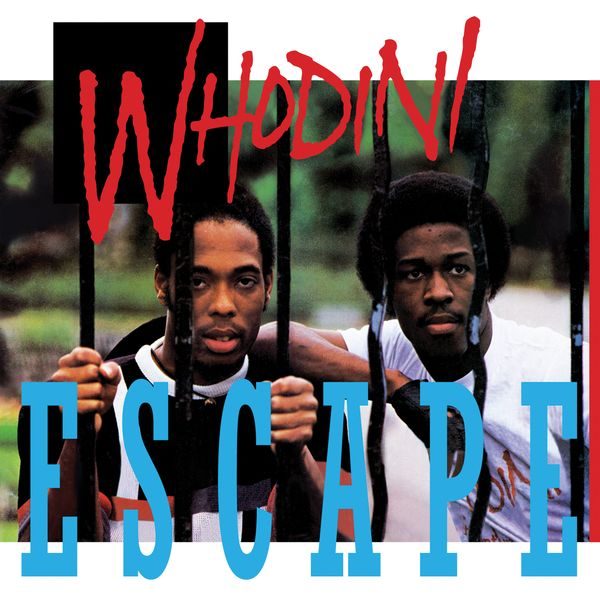
    • Escape by Whodini, cover

      1984 · Album

      Escape

      Whodini

      Built a bridge between rap and R&B with synthesizers, electronic beats and melodic hooks, pointing toward new jack swing.

      ListenSpotify, Apple Music, YouTube

    • Run-D.M.C. by Run-DMC, cover

      1984 · Album

      Run-D.M.C.

      Run-DMC

      Set the stripped-down sound of modern rap: loud drums, few instruments and aggressive delivery. Widely cited as the first gold rap album, it also made hip-hop fashion an identity.

      ListenSpotify, Apple Music, YouTube

5 covers in the collection from 1973 to 1984.

1985 to 1989

The golden age begins

In five years rap transformed what an MC could do, what a producer could build and what a song could say. Samplers turned record collections into instruments, Def Jam made stars, Public Enemy and N.W.A made rap the most argued-about music in America, and women such as Salt-N-Pepa, MC Lyte and Queen Latifah reached wider audiences, building on the work of earlier MCs including Sha-Rock.

Notable Figures
About this era How it sounded and looked, where and why it grew, and what it left behind

What it sounded like

Samplers changed everything: Marley Marl's sampled drums, Rick Rubin's rock-rap minimalism, the Bomb Squad's walls of noise for Public Enemy and Prince Paul's playful collages for De La Soul. Rakim brought internal rhymes and a calm, jazz-like flow, and regional sounds emerged in Miami, Philadelphia, Oakland and Los Angeles.

What it looked like

Rope chains, door-knocker earrings, high-top fades and Dapper Dan's remixed luxury logos, then Afrocentric medallions and kente by the end of the decade. 'My Adidas' led to the first big sportswear deal for a rap act. Covers got bolder: the jet-crash gatefold of 'Licensed to Ill', the jail-cell photo and crosshairs logo of 'It Takes a Nation of Millions', the low-angle gun shot of 'Straight Outta Compton' and the day-glo daisies of '3 Feet High and Rising'.

Where and why it grew

New York still led, while Los Angeles, Oakland, Miami, Philadelphia and Houston grew scenes of their own. The crack epidemic, Reagan-era cuts and police violence gave rappers plenty to say, and cheap samplers meant almost anyone could make a beat.

The technology

The E-mu SP-12 (1985) and SP-1200 (1987) and the Akai MPC60 (1988), designed with Roger Linn, put sampling and sequencing in one box. The SP-1200's short sample time forced producers to chop, which gave the era its gritty sound.

What it changed

Rap became a national political voice and the main target in fights over censorship: Parental Advisory stickers, the FBI's 1989 letter about N.W.A, and growing controversies around explicit lyrics; the major 2 Live Crew obscenity proceedings followed in 1990. 'Yo! MTV Raps' and The Source, both launched in 1988, gave the culture its own media.

What it left behind

The era created crate digging and the producer as auteur. Gangsta rap and conscious rap became the two poles that defined the 1990s.

  1. 1985

    'Radio', the human beatbox and Philadelphia

    Def Jam's first album came from 17-year-old LL Cool J, produced by Rubin with a credit that read 'Reduced by Rick Rubin'. Doug E. Fresh, the Human Beat Box, released 'The Show' with 'La Di Da Di', introducing MC Ricky D, later Slick Rick. In Philadelphia, Schoolly D's 'P.S.K. What Does It Mean?' laid down a blueprint for gangsta rap.

    Detroit builds recording infrastructure for its first rap generation

    Jerry Flynn Dale opened Def Sound Studios in Detroit in 1985 after making beats on a four-track recorder. His studio gave local rappers access to recording facilities at a time when established studios were often reluctant to work with hip-hop artists. Detroit Metro Times reconstructs this early scene through interviews with Dale and performer Kalimah Johnson, also known as Nikki D.

    References: [1]

    Schoolly D records P.S.K. What Does It Mean? in Philadelphia

    Philadelphia rapper Schoolly D released P.S.K. What Does It Mean? in 1985, describing neighborhood life over a sparse, forceful drum-machine beat. The record became an important precursor to the style later called gangsta rap and influenced Ice-T. In a 1994 interview with Big Shout, Schoolly D discussed his early career and independent releases. Calling any one record the genre's sole origin would oversimplify the history.

    References: [1], [2]

    Ernie Paniccioli documents hip-hop's visual identity

    Photographer Ernie Paniccioli recorded hip-hop artists, performances and communities over decades as the music expanded. Cornell University's Hip Hop Collection preserves his archive, with thousands of digitized photographs. Alongside Joe Conzo Jr.'s work, these images show how photography documented the culture's development.

    References: [1]

    Released in 1985

    • P.S.K. What Does It Mean? by Schoolly D, cover

      1985 · Song

      P.S.K. What Does It Mean?

      Schoolly D

      A Philadelphia record of booming 808s and street talk that laid down an early blueprint for gangsta rap.

      ListenSpotify, Apple Music, YouTube

    • Radio by LL Cool J, cover

      1985 · Album

      Radio

      LL Cool J

      Def Jam's first album made the solo rapper a superstar. Rick Rubin's bare production and LL's commanding delivery created the Def Jam sound.

      ListenSpotify, Apple Music, YouTube

  2. 1986

    Rap goes platinum

    Run-DMC's 'Raising Hell' became the first platinum and multi-platinum hip-hop album, and their take on Aerosmith's 'Walk This Way', with Steven Tyler and Joe Perry, became the first rap song in the Hot 100's top five. Their song 'My Adidas' led to a sponsorship deal with the brand, the first endorsement deal between a rap group and a sportswear brand. In November the Beastie Boys released 'Licensed to Ill', which in March 1987 became the first rap album to top the Billboard 200.

    1986 to 1988

    The sampler changes everything

    Producer Marley Marl found he could sample a single drum hit from an old record and trigger it as part of a new beat. E-mu's SP-12 and SP-1200 and Akai's MPC60, designed with Roger Linn, put sampling and sequencing in one box. Producers began building whole songs from fragments of funk, soul and jazz records, and crate digging, the hunt for obscure records to sample, became part of the craft.

    • SP-1200 by E-mu Systems, cover

      1987 · Gear

      SP-1200

      E-mu Systems

    • MPC60 by Akai and Roger Linn, cover

      1988 · Gear

      MPC60

      Akai and Roger Linn

    • The Bridge by MC Shan, cover

      1986 · Song

      The Bridge

      MC Shan

      ListenSpotify, Apple Music, YouTube

    Miami bass establishes a distinct Southern rap sound

    Miami's dance-oriented bass music developed through local clubs, DJs and independent record labels in the 1980s. Artists including 2 Live Crew helped popularize a fast, low-frequency sound that would become influential across Southern rap and dance music. Hip-Hop Evolution explores the scene in its episode The Southern Way; the chronology and wider regional context require independent sources.

    References: [1], [2]

    Released in 1986

    • Raising Hell by Run-DMC, cover

      1986 · Album

      Raising Hell

      Run-DMC

      The first platinum and multi-platinum rap album. 'Walk This Way' with Aerosmith reached No. 4, introduced hip-hop to rock audiences and gave rap mainstream legitimacy.

      ListenSpotify, Apple Music, YouTube

    • Licensed to Ill by Beastie Boys, cover

      1986 · Album

      Licensed to Ill

      Beastie Boys

      Released in November 1986, it became the first rap album to top the Billboard 200 in March 1987 and stayed there seven weeks. It popularised rap-rock and showed rap's crossover power.

      ListenSpotify, Apple Music, YouTube

    • Hot, Cool & Vicious by Salt-N-Pepa, cover

      1986 · Album

      Hot, Cool & Vicious

      Salt-N-Pepa

      The debut that carried 'Push It' into the pop charts and made Salt-N-Pepa the first all-woman rap act to go platinum.

      ListenSpotify, Apple Music, YouTube

    • 6 'n the Mornin' by Ice-T, cover

      1986 · Song

      6 'n the Mornin'

      Ice-T

      First-person stories of Los Angeles street life that became a template for West Coast gangsta rap.

      ListenSpotify, Apple Music, YouTube

  3. 1987

    Rakim, KRS-One and Public Enemy

    On Eric B. & Rakim's 'Paid in Full', Rakim rapped in a calm, measured voice packed with internal rhymes and changed what a verse could do. Boogie Down Productions released 'Criminal Minded', and DJ Scott La Rock was shot dead months later. Public Enemy put out their debut, Salt-N-Pepa's 'Push It' became a top 20 pop hit, and in Compton Eazy-E started Ruthless Records.

    Released in 1987

    • Born to Mack by Too Short, cover

      1987 · Album

      Born to Mack

      Too Short

      Too Short sold tapes from his car in Oakland and built a following without a major label, a model of independent hustle for the Bay Area and the South.

      ListenSpotify, Apple Music, YouTube

    • Paid in Full by Eric B. & Rakim, cover

      1987 · Album

      Paid in Full

      Eric B. & Rakim

      Revolutionised lyricism with internal rhymes, complex structures and a smooth, unhurried flow. Almost every technically gifted rapper since has been influenced by it.

      ListenSpotify, Apple Music, YouTube

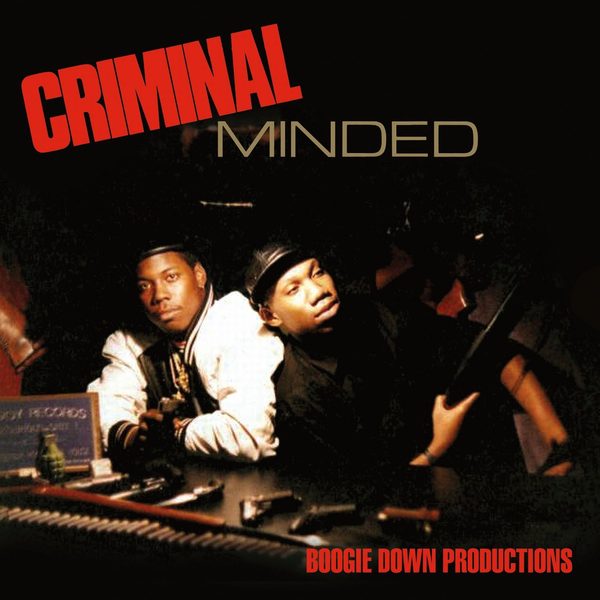
    • Criminal Minded by Boogie Down Productions, cover

      1987 · Album

      Criminal Minded

      Boogie Down Productions

      KRS-One's forceful delivery and street-focused lyrics, with dancehall touches, helped lay the foundation for 1990s East Coast hardcore.

      ListenSpotify, Apple Music, YouTube

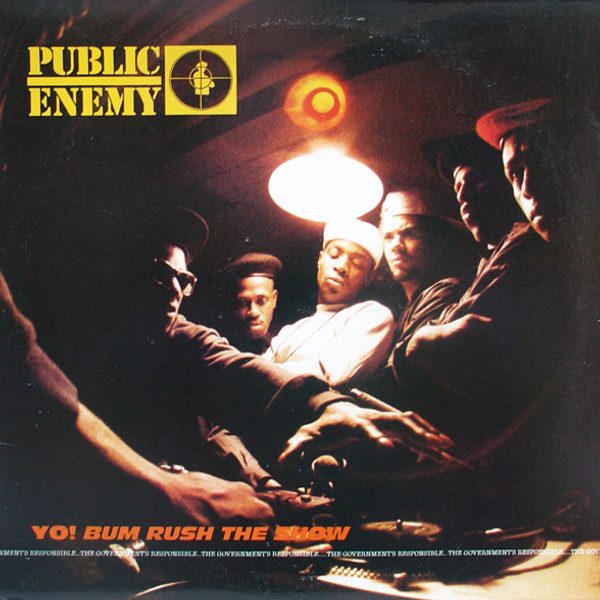
    • Yo! Bum Rush the Show by Public Enemy, cover

      1987 · Album

      Yo! Bum Rush the Show

      Public Enemy

      Public Enemy's debut introduced their confrontational politics and dense production, and established rap as a vehicle for Black political expression.

      ListenSpotify, Apple Music, YouTube

  4. 1988

    Public Enemy, N.W.A and 'Yo! MTV Raps'

    Public Enemy's 'It Takes a Nation of Millions to Hold Us Back' layered sirens, noise and stacks of samples by the Bomb Squad under Chuck D's political sermons. N.W.A's 'Straight Outta Compton' put West Coast gangsta rap on the national map, and 'Fuck tha Police' later drew a warning letter from the FBI. MC Lyte's 'Lyte as a Rock' is often called the first album by a solo woman rapper. In August 'Yo! MTV Raps' started showing rap videos to the whole country, and The Source began publishing.

    • Yo! MTV Raps by MTV, cover

      1988 · TV and web

      Yo! MTV Raps

      MTV

    Bay Area rappers build an independent distribution model

    Too Short's early independent releases and the Bay Area's local sales networks helped establish a route to rap audiences outside the major-label system. The regional history includes Oakland, the wider Bay Area and artists whose styles did not fit New York or Los Angeles narratives. Hip-Hop Evolution examines these networks in Out the Trunk: The Bay.

    References: [1]

    Janette Beckman photographs the Class of '88

    Photographer Janette Beckman's group portrait Female Rappers, Class of '88 brought together MC Lyte, Roxanne Shanté, Sparky D, Sweet Tee and other women in rap. The photograph, now held by the Smithsonian, documents a wider generation of performers than the few names most frequently repeated in mainstream histories. The museum lists the image as copyrighted, so the archive links to its catalog rather than reproducing it.

    References: [1]

    MC Lyte releases Lyte as a Rock

    MC Lyte's debut Lyte as a Rock became the first solo album released by a woman rapper, according to the Smithsonian's National Museum of African American History and Culture. It expanded the possibilities for women in recorded rap, building on the work of pioneering performers who were already central to hip-hop's live scene.

    References: [1]

    Released in 1988

  5. 1989

    The first rap Grammy, and the sample collage

    The Grammys gave out a rap award for the first time, to DJ Jazzy Jeff & the Fresh Prince for 'Parents Just Don't Understand'. The category was left out of the TV broadcast, so the winners and several other nominees boycotted the ceremony. De La Soul's '3 Feet High and Rising', produced by Prince Paul, and the Beastie Boys' 'Paul's Boutique', produced by the Dust Brothers, built whole albums from playful collages of samples. Public Enemy's 'Fight the Power' scored Spike Lee's 'Do the Right Thing', and Queen Latifah released 'All Hail the Queen'.

    De La Soul and the art of a sample-built alternative rap identity

    De La Soul's 3 Feet High and Rising, produced by Prince Paul, brought playful collage, eclectic sampling and an alternative image into hip-hop's mainstream conversation. The album's distinctive visual identity was part of that change: the New York Public Library's Schomburg Center preserves original cover designs by Toby Mott in collaboration with the Grey Organisation, including the hand-drawn Daisy Age flower motif. The combination of music and design helped establish a model for later alternative rap.

    References: [1]

    Released in 1989

    • As Nasty as They Wanna Be by 2 Live Crew, cover

      1989 · Album

      As Nasty as They Wanna Be

      2 Live Crew

      A Florida judge ruled it obscene in 1990 and an appeals court reversed the ruling in 1992, making it a landmark in the fight over free speech.

      ListenSpotify, Apple Music, YouTube

    • 3 Feet High and Rising by De La Soul, cover

      1989 · Album

      3 Feet High and Rising

      De La Soul

      Psychedelic samples, humour and a gentle, eccentric personality helped establish alternative hip-hop. A 1991 lawsuit over a Turtles sample made it a cautionary tale about clearance.

      ListenSpotify, Apple Music, YouTube

    • Paul's Boutique by Beastie Boys, cover

      1989 · Album

      Paul's Boutique

      Beastie Boys

      The Dust Brothers built intricate collages from an enormous number of samples. It sold poorly on release and is now regarded as a masterpiece of sampling.

      ListenSpotify, Apple Music, YouTube

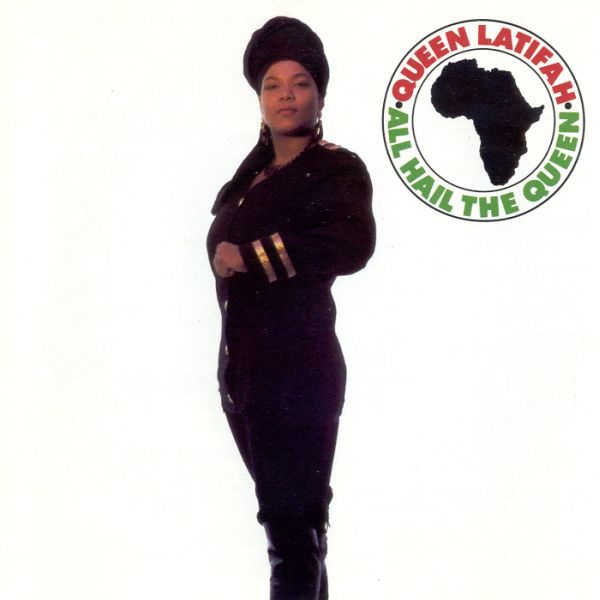
    • All Hail the Queen by Queen Latifah, cover

      1989 · Album

      All Hail the Queen

      Queen Latifah

      Combined Afrocentric pride, feminism and lyrical skill, with 'Ladies First' making women's power a subject in its own right.

      ListenSpotify, Apple Music, YouTube

    • Fight the Power by Public Enemy, cover

      1989 · Song

      Fight the Power

      Public Enemy

      The anthem of Spike Lee's 'Do the Right Thing' and one of the most powerful protest songs in popular music.

      ListenSpotify, Apple Music, YouTube

17 covers in the collection from 1985 to 1989.

1990 to 1994

The golden age peaks

Many of the sounds, production techniques and approaches to lyrics that define hip-hop today were perfected in these five years. New York refined boom bap and jazz rap, Los Angeles producers developed G-funk from earlier funk and electro traditions, Atlanta and Houston arrived, and a court ruling changed how every record was made.

Notable Figures
About this era How it sounded and looked, where and why it grew, and what it left behind

What it sounded like

East Coast boom bap: swinging drums under filtered jazz and soul loops, from DJ Premier, Pete Rock, Large Professor, Q-Tip and RZA. Jazz rap from A Tribe Called Quest, Digable Planets and Gang Starr. On the West Coast, Dr. Dre's G-funk built on P-Funk grooves, Moog synth leads and live bass. Houston went dark with the Geto Boys and Cypress Hill brought Latino psychedelia.

What it looked like

Cross Colours, Karl Kani and FUBU built Black-owned streetwear; baggy jeans, Timberlands, Carhartt, Starter jackets, Polo and Tommy Hilfiger, which Snoop wore on 'Saturday Night Live' in 1994. On the West Coast, Dickies and bandanas. Covers turned personal and iconic: Nas as a child over Queensbridge on 'Illmatic', the baby with an afro on 'Ready to Die', the wall of faces on 'Midnight Marauders' and the masked Wu-Tang with its W logo. In Houston, Pen & Pixel started its airbrushed bling covers in 1992.

Where and why it grew

New York stayed the lyrical centre. The 1992 Los Angeles uprising after the Rodney King verdict fuelled West Coast anger. Atlanta, Houston, Memphis and New Orleans grew outside the industry through independent labels and distributors.

The technology

The MPC60 and MPC3000 and the SP-1200 ruled the studio, and Pro Tools arrived in 1991. After the Biz Markie ruling, sample clearance became a cost of doing business, pushing producers toward shorter chops and replayed parts.

What it changed

Hip-hop shaped film ('Boyz n the Hood', 'Juice', 'Menace II Society'), television ('The Fresh Prince of Bel-Air'), slang and fashion. Hot 97 switched to hip-hop, Vibe launched in 1993, and Congress held hearings on gangsta rap in 1994.

What it left behind

Boom bap and G-funk became the classic sounds every later revival quotes, from Griselda to 'GNX'. 'Illmatic' set the standard for lyricism that rappers still measure themselves against.

  1. 1990

    Pop success and a court fight

    Vanilla Ice's 'Ice Ice Baby' became the first hip-hop single to top the Hot 100, and MC Hammer's 'Please Hammer, Don't Hurt 'Em' spent 21 weeks at number one on the Billboard 200. In Florida, 2 Live Crew faced a federal obscenity ruling against 'As Nasty as They Wanna Be' and arrests after a live performance. The performers were acquitted in October 1990, and the album ruling was overturned on appeal in 1992. The controversy became a defining dispute over censorship of rap. A Tribe Called Quest, Ice Cube and Public Enemy all released defining albums, and Digital Underground's 'The Humpty Dance' introduced a backup dancer and rapper named Tupac Shakur.

    1990–1992

    2 Live Crew's obscenity cases test the boundaries of rap expression

    In June 1990, a federal district judge declared 2 Live Crew's As Nasty as They Wanna Be obscene, and Broward County authorities arrested members after a live performance. A Florida jury acquitted the performers that October. The album ruling was overturned on appeal in 1992. The prosecutions made rap lyrics and the sale of recorded music a national First Amendment controversy, raising questions about artistic expression and selective enforcement.

    References: [1], [2]

    Houston rap grows through neighborhood networks

    Houston rap developed through neighborhood-based performers, DJs, promoters and independent labels. The Geto Boys and later UGK emerged from a broader scene that also included distinctive local visual identities and distribution networks. Lance Scott Walker's Houston Rap Tapes documents these histories through firsthand interviews with musicians, producers and label figures.

    References: [1]

    Released in 1990

  2. 1991

    Samples start to cost money

    On 17 December a federal judge ruled that Biz Markie had infringed copyright by sampling Gilbert O'Sullivan's 'Alone Again (Naturally)'. The ruling became a landmark in sampling disputes and pushed labels toward more systematic licensing. Sampling remained legal with permission, but the cost and risk of uncleared uses reshaped how many producers assembled beats. A Tribe Called Quest's 'The Low End Theory' joined rap to upright jazz bass, Naughty by Nature's 'O.P.P.' was everywhere, 'Boyz n the Hood' took Ice Cube to Hollywood, and Dr. Dre and Suge Knight founded Death Row Records.

    References: [1], [2]

    Early 1990s

    Chopped and screwed

    In Houston, DJ Screw slowed records down, repeated phrases and circulated distinctive handmade mixtapes. Ethnomusicologist Langston Wilkins documents how screw music developed alongside the city's slab car culture, becoming part of a broader local identity. The technique subsequently influenced production and remixes well beyond Houston.

    References: [1]

    Released in 1991

  3. 1992

    G-funk

    Dr. Dre's 'The Chronic' slowed West Coast rap into a lazy, melodic roll built on Parliament-Funkadelic grooves, whining synthesizers and live bass, and introduced Snoop Doggy Dogg on 'Nuthin' but a 'G' Thang'. Released on Death Row in December, it set the sound of mainstream rap for years. Kris Kross's 'Jump' spent eight weeks at number one, and Pete Rock & CL Smooth released 'They Reminisce Over You (T.R.O.Y.)'.

    M.C. Brains brings Cleveland rap onto national charts

    Cleveland rapper M.C. Brains scored a crossover hit with Oochie Coochie in 1992, reaching number one on Billboard's Hot Rap Singles chart. The Rock & Roll Hall of Fame's regional music history places his melodic approach within the local scene that preceded Bone Thugs-n-Harmony's breakthrough.

    References: [1]

    New Orleans bounce builds its own independent economy

    In the early 1990s, New Orleans artists and producers developed bounce around dance rhythms, call-and-response chants and neighborhood references. MC T. Tucker and DJ Jimi were among the early recording figures, while local labels and shops built a market largely outside national rap distribution. Music scholar Matt Miller documents the movement's emergence between 1992 and 1994.

    References: [1], [2]

    Memphis rap spreads through local cassette networks

    Before national labels paid much attention to Memphis, neighborhood DJs and rappers circulated self-released cassettes through local stores and informal networks. DJ Squeeky, DJ Zirk, Al Kapone and other figures helped develop a dark, bass-heavy regional sound. The city's cassette culture provided an independent foundation for later successes by Three 6 Mafia and their peers.

    References: [1], [2]

    Pen & Pixel develops a new Southern cover aesthetic

    Brothers Shawn and Aaron Brauch founded Houston's Pen & Pixel Graphics. Its digitally assembled portraits, metallic lettering, jewelry, cars and fantastical settings became closely associated with Southern independent rap, especially No Limit and Cash Money. The University of Houston preserves a collection of the firm's original materials.

    References: [1]

    Released in 1992

  4. 1993

    Wu-Tang and 'Doggystyle'

    RZA produced 'Enter the Wu-Tang (36 Chambers)' on a small budget, with grimy kung fu samples and nine rappers trading verses, and negotiated a deal that let each member sign solo contracts elsewhere. Two weeks later Snoop Doggy Dogg's 'Doggystyle' entered the Billboard 200 at number one with 806,858 copies sold in its first week, a record for a debut artist at the time. Sean Combs launched Bad Boy Records (in 2025 Combs was convicted on two federal prostitution-related counts and sentenced to 50 months), and Queen Latifah's 'U.N.I.T.Y.' took on misogyny and won a Grammy.

    Chicago's rap scene gains local radio and retail support

    An August 1993 Billboard report documented Chicago's expanding hip-hop scene, including commercial rap programming at WJPC, independent music publications such as Fly Paper and record retailers supporting local artists. The contemporary account shows how the city's infrastructure was developing before its biggest national breakthroughs.

    References: [1]

    DJ Jubilee helps establish bounce as a New Orleans staple

    DJ Jubilee's Do the Jubilee All became a major local bounce release in 1993. Billboard's March 1994 reporting described strong independent cassette sales and a thriving network of local labels, shops and performers. The song's dance instructions and neighborhood-centered call-and-response exemplified bounce's participatory style.

    References: [1], [2]

    Released in 1993

  5. 1994

    'Illmatic', 'Ready to Die' and Atlanta

    Nas's 'Illmatic', with beats from DJ Premier, Pete Rock, Q-Tip, Large Professor and L.E.S., packed Queensbridge into ten tracks and became the reference point for New York lyricism. In September The Notorious B.I.G.'s 'Ready to Die' made Bad Boy a power. In Atlanta, OutKast arrived with 'Southernplayalisticadillacmuzik', and Warren G and Nate Dogg's 'Regulate' carried G-funk to number two on the Hot 100.

    Bone Thugs-n-Harmony bring Cleveland's melodic style to Ruthless Records

    Bone Thugs-n-Harmony, whose members came from Cleveland's Glenville neighborhood, signed with Eazy-E's Ruthless Records in 1994. Their Creepin on ah Come Up EP and single Thuggish Ruggish Bone brought a rapid, melodic vocal approach to a national audience, building on Cleveland's existing rap scene.

    References: [1]

    Common and No I.D. put Chicago's lyrical scene in focus

    Common Sense released Resurrection in 1994, with production by No I.D. and Ynot. Its jazz-influenced sound and the single I Used to Love H.E.R. drew national attention to a Chicago rap scene often overlooked in coastal histories. Common, No I.D. and their collaborators later recounted the album's creation in an extensive oral history.

    References: [1], [2]

    Danny Hastings and Hugo Bravo create a striking rap cover

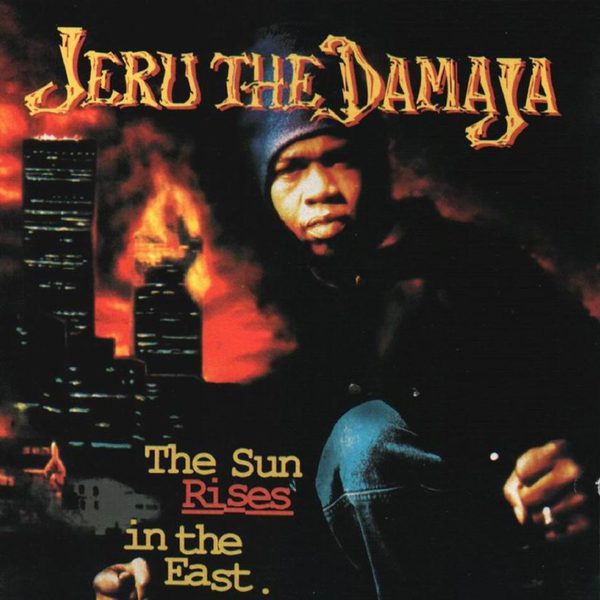
    For Jeru the Damaja's debut The Sun Rises in the East, photographer Danny Hastings collaborated with illustrator Hugo Bravo on an image of the rapper against a burning Manhattan skyline. Original sketches, painted concept art and a print of the finished cover were later documented together by Sotheby's, providing unusually direct evidence of the cover's development and creators.

    References: [1]

    Released in 1994

28 covers in the collection from 1990 to 1994.

1995 to 1999

East, West and the rise of the South

Rap became the dominant force in American music. A rivalry between New York and Los Angeles ended with the killings of 2Pac and The Notorious B.I.G., the South built independent empires, superstars went pop, and hip-hop's commercial reach continued to expand.

Notable Figures
About this era How it sounded and looked, where and why it grew, and what it left behind

What it sounded like

New York went cinematic with mafioso rap (Raekwon, Jay-Z) and bleak with Mobb Deep. The West polished G-funk and Cleveland's Bone Thugs-N-Harmony sang their rapid rhymes. In the South: Three 6 Mafia's lo-fi horror and triplet flows in Memphis, DJ Screw's slowed tapes and UGK's soulful country rap in Houston, bounce in New Orleans. Timbaland and Missy Elliott made rap sound futuristic, Puff Daddy made it shiny pop, and the Rawkus underground kept lyricism alive.

What it looked like

Shiny suits, Coogi sweaters, Timbs and fatigues, Iceberg and Avirex, platinum chains and grills. Rappers launched their own brands: Wu Wear, Sean John (1998) and Rocawear (1999). Hype Williams's fisheye videos set the visual tone. Pen & Pixel's gold airbrushed covers defined No Limit and Cash Money, while New York used cinematic photography, from the noir of 'Reasonable Doubt' to the chess-board 'Liquid Swords'. 'Aquemini' was painted, and 'Miseducation' was a school desk.

Where and why it grew

The coastal feud between Death Row and Bad Boy escalated through 1995 and 1996. In the South, independent labels sold millions through car culture and street networks while keeping ownership of their music.

The technology

The Akai MPC2000 (1997) and Auto-Tune (1997), which went pop with Cher's 'Believe' in 1998. CD sales peaked around 1999 and 2000, just as Napster (1999) arrived. Street mixtapes became the way new artists broke through.

What it changed

The killings made violence in rap a national debate. Lauryn Hill and Lil' Kim widened what women in rap could be, Big Pun became the first solo Latino rapper to go platinum, and hip-hop fashion became a billion-dollar business.

What it left behind

Memphis triplets, Houston's slowed sound and New Orleans bounce became the DNA of mainstream rap in the 2000s and 2010s. Jay-Z's mogul model and Eminem's arrival set up the next decade.

  1. 1995

    'The South got something to say'

    At the 1995 Source Awards in New York, OutKast won Best New Rap Group amid boos from some in the audience. André 3000 responded by insisting that Southern artists had something to say. The duo and Atlanta's Dungeon Family had been developing a distinctive sound in Rico Wade's basement, and the speech became a landmark in the South's challenge to coastal dominance. The same night Suge Knight's jab at Sean Combs dragged the feud between Death Row and Bad Boy into the open. Coolio's 'Gangsta's Paradise' was the biggest song of the year on Billboard's year-end chart, Jay-Z, Damon Dash and Kareem Burke founded Roc-A-Fella, and Wu-Tang solo albums from Raekwon and GZA kept New York's sound sharp.

    References: [1]

    No Limit's Priority deal expands the independent rap-label model

    Master P's No Limit Records entered a distribution arrangement with Priority Records in 1995 that let the label shoulder recording and marketing costs while retaining unusual creative control and a larger share of profits. Drawing on experience selling music independently in the Bay Area, Master P developed a prolific release schedule and recognizable branding. The model helped make New Orleans a national center of rap business and influenced other independent label owners.

    References: [1], [2]

    Rhymesayers establishes an independent base in Minneapolis

    Rhymesayers Entertainment was founded in 1995 after Minneapolis and Saint Paul artists had built a following through coffee-shop performances, Headshots cassette tapes and merchandise sales. Its early releases included Musab's Comparison in 1996 and Atmosphere's Overcast! in 1997. The label's own history documents how touring and reinvesting local earnings supported expansion beyond Minnesota.

    References: [1]

    E. 1999 Eternal gives Cleveland a defining national rap album

    Bone Thugs-n-Harmony released E. 1999 Eternal in July 1995, combining fast-paced harmonies with atmospheric production. The album reached number one on the Billboard 200, and the later hit Tha Crossroads became a memorial to Eazy-E and others who had died. The Rock & Roll Hall of Fame documents the group's place in Cleveland's hip-hop history.

    References: [1], [2]

    Los Angeles's Good Life open mic moves to KAOS Network

    The Good Life health-food cafe in South Los Angeles hosted an influential open mic where Freestyle Fellowship, Volume 10 and other rappers developed improvisational styles. In late 1995, the event moved to Ben Caldwell's KAOS Network, whose recording and media facilities helped nurture the community that became associated with Project Blowed. LA Weekly's oral history records participants' differing recollections of the transition.

    References: [1]
    Three 6 Mafia release Mystic Stylez

    Memphis group Three 6 Mafia released Mystic Stylez in 1995, drawing together eerie synthesizers, forceful percussion and ominous vocal performances. The record emerged from a thriving local tape economy. The Memphis Music Hall of Fame documents the group's early independent labels and the role of Gangsta Boo alongside DJ Paul, Juicy J and other members.

    References: [1], [2]

    Released in 1995

  2. 1996

    A huge year, and the loss of 2Pac

    2Pac's double album 'All Eyez on Me' and the Fugees' 'The Score' sold in the millions, Jay-Z debuted with 'Reasonable Doubt', and Dr. Dre left Death Row to start Aftermath. UGK and OutKast kept building the Southern sound, and Lil' Kim's 'Hard Core' rewrote what a woman could say on a rap record. On 7 September 2Pac was shot in Las Vegas. He died six days later, aged 25.

    Slum Village develops Detroit's distinctive production sound

    In Detroit, T3, Baatin and producer J Dilla developed Slum Village's jazz-inflected, rhythmically loose approach during the 1990s. Accounts differ on the group's exact formation year, but the original trio's recordings and collaborations helped establish a recognizable Detroit voice in independent hip-hop. Interviews with T3 and later research into Dilla's work connect the group to Detroit's neighborhood music networks.

    References: [1], [2]

    Released in 1996

  3. 1997

    Biggie, Timbaland and No Limit

    The Notorious B.I.G. was shot dead in Los Angeles on 9 March, aged 24; 'Life After Death' came out 16 days later and went to number one, and Puff Daddy and Faith Evans's tribute 'I'll Be Missing You' spent 11 weeks at the top of the Hot 100. Missy Elliott and Timbaland's 'Supa Dupa Fly' challenged established rap production with unusual rhythmic space, futuristic textures and innovative videos, while Elliott developed her own label. Master P's No Limit demonstrated how independent Southern labels could scale through distribution, merchandising and prolific releases.

    Missy Elliott and Timbaland reshape rap's rhythmic possibilities

    Missy Elliott's debut Supa Dupa Fly introduced a strikingly spacious, rhythmically unpredictable sound developed with producer Timbaland. Elliott's label Gold Mind, backed by Elektra, also gave her an unusually influential position as a songwriter and label executive. Contemporary reporting documented the album's rapid creation, its early success and the importance of Hype Williams's imaginative music videos. Their partnership influenced the direction of hip-hop and R&B production into the 2000s.

    References: [1], [2]

    Detroit's Hip-Hop Shop becomes a proving ground for MCs

    Maurice Malone's Hip-Hop Shop served as a meeting place and battle venue for Detroit rappers in the 1990s. Artists associated with the scene included Proof, Eminem, Elzhi and many others, while producers and local crews developed careers beyond the city. Detroit Metro Times documents its role through interviews and a detailed history of the local scene.

    References: [1]

    Oakland's Hieroglyphics crew pivots toward independence

    After major-label deals unraveled in the mid-1990s, members of Oakland's Hieroglyphics collective developed an independent model for distributing recordings and building a direct relationship with listeners. Contemporary Rap Pages and Hip-Hop Connection interviews from 1997 document that transition; the group's later independent releases and recognizable eye logo became central to its identity.

    References: [1], [2], [3]

    1997–2007

    Southern rap reshapes the industry's sound and visual language

    From Houston and Memphis to Atlanta, Miami and New Orleans, independent labels and regional audiences helped Southern rap move into the national mainstream. Cover art, promotional imagery and region-specific language made the South visible as a cultural identity. Scholar Matt Miller traces how these visual and business strategies accompanied the rise of the Dirty South.

    References: [1]

    Released in 1997

  4. 1998

    Rap outsells country

    In 1998, for the first time, rap outsold country, which had been America's top-selling format. Lauryn Hill's 'The Miseducation of Lauryn Hill' mixed rap and soul and, in February 1999, became what is widely cited as the first hip-hop album to win the Grammy for Album of the Year (the Academy classed it as R&B, so some count OutKast's 2004 win as the first for rap). Big Pun's 'Capital Punishment' was the first album by a solo Latino rapper to go platinum, Jay-Z's 'Hard Knock Life' sampled Broadway, and Cash Money signed a distribution deal with Universal. That autumn Cher's 'Believe' introduced the world to Auto-Tune as an effect.

    Released in 1998

  5. 1999

    Eminem, bling and Napster

    Dr. Dre signed a Detroit battle rapper to Aftermath, and 'The Slim Shady LP' made Eminem a star. In New Orleans, Cash Money's Juvenile released 'Back That Azz Up' and B.G.'s 'Bling Bling' gave English a new word, later added to the Oxford English Dictionary. Rawkus kept a lyrical underground alive, MF DOOM came back behind a mask with 'Operation: Doomsday', and The Roots put a live band at the centre of 'Things Fall Apart'. In June, Napster launched, and the music industry's business model started to crack.

    Hieroglyphics turns an independent label into a visual identity

    By 1999, Hieroglyphics Imperium's eye emblem appeared across recordings, merchandise and promotional materials. A contemporary San Francisco Bay Guardian interview with label administrator Karen Dere describes the business operations behind the artist-run collective. The logo demonstrates how graphic identity could help an independent rap organization connect with its audience beyond album covers.

    References: [1]

    Released in 1999

37 covers in the collection from 1995 to 1999.

2000 to 2009

Superstar rap and the changing sound

Rap became pop music. Superproducers wrote the sound of radio, the South took over the charts, and as CD sales collapsed after Napster, mixtapes, ringtones, blogs and YouTube decided who broke through. By the end of the decade Auto-Tune and vulnerability had changed what a rapper could be.

Notable Figures
About this era How it sounded and looked, where and why it grew, and what it left behind

What it sounded like

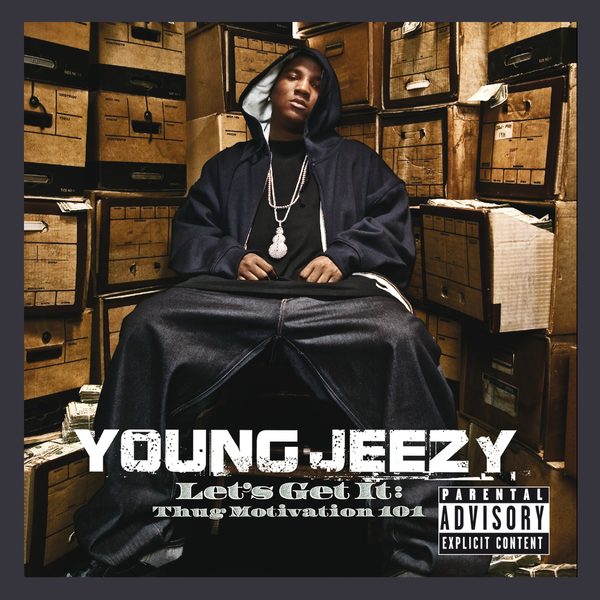
The Neptunes' sparse futurism, Timbaland's stutters, Just Blaze and Kanye West's sped-up 'chipmunk soul'. The South ruled: crunk (Lil Jon), snap (D4L, Soulja Boy), trap (T.I., Young Jeezy, Gucci Mane, producer Zaytoven), Houston's slowed-down sound and Bay Area hyphy. Auto-Tune spread from T-Pain to Lil Wayne and '808s & Heartbreak'. Underground labels Def Jux, Stones Throw and Rhymesayers thrived.

What it looked like

Throwback jerseys, tall white tees, Air Force 1s, Bape, fitted caps, Rocawear and Sean John, then polos, backpacks, shutter shades, Louis Vuitton and skinny jeans by 2008. Kanye brought fine art to covers, with the Dropout Bear trilogy and Takashi Murakami's 'Graduation'. Other icons: the mask on 'Madvillainy', the baby photo on 'Tha Carter III' and the deflated heart of '808s & Heartbreak'.

Where and why it grew

Atlanta, New Orleans, Houston, Miami, Memphis and St. Louis became the commercial centre, with strip-club DJs breaking hits. Chicago (Kanye, Lupe) and Detroit (Eminem, Dilla) rose. After Napster, album sales fell and the money moved to mixtapes, ringtones and endorsements.

The technology

Pro Tools and FL Studio, the iTunes Store (2003), ringtones, YouTube (2005), MySpace, DatPiff (2005) and rap blogs. A 2007 raid on DJ Drama's studio showed the industry's uneasy relationship with mixtapes.

What it changed

Rap became the default sound of American pop and produced the rapper-mogul. Eminem and Three 6 Mafia won Oscars. Debates about misogyny and homophobia in lyrics grew louder, while Kanye and Lupe opened space for vulnerable, middle-class voices.

What it left behind

The 2010s inherited three tools from this decade: trap, Auto-Tuned melody and the free mixtape pipeline.

  1. 2000

    'The Marshall Mathers LP'

    Eminem's second major-label album sold 1.76 million copies in its first week, the fastest-selling rap album in US history at the time. OutKast's 'Stankonia' pushed into funk, rock and psychedelia with 'B.O.B.' and 'Ms. Jackson', and St. Louis arrived with Nelly's 'Country Grammar'. J Dilla's work with Common and Slum Village spread his off-grid drum swing.

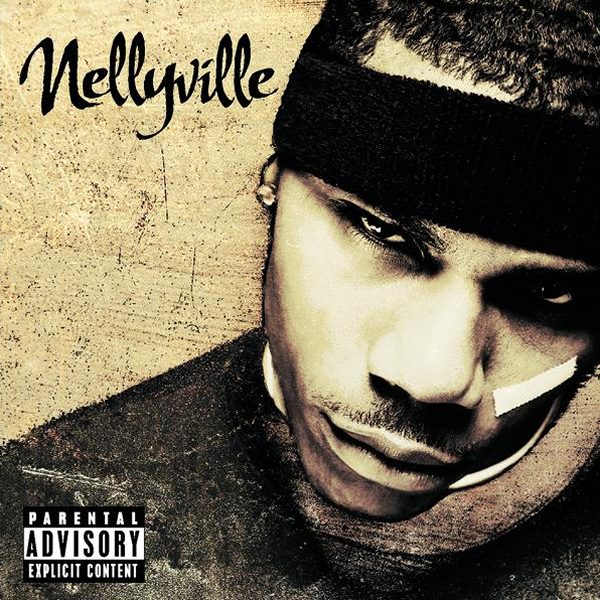
    Nelly's Country Grammar breaks St. Louis onto national charts

    Nelly released Country Grammar in June 2000 after the St. Lunatics built a local following in St. Louis. The album reached number one on the Billboard 200 that August. Contemporary Los Angeles Times coverage recorded its commercial rise, while the St. Louis American documents the local music network behind the breakthrough.

    References: [1], [2]

    Released in 2000

  2. 2001

    Soul samples and 'The Blueprint'

    Released on 11 September, Jay-Z's 'The Blueprint' ran on sped-up soul samples from Kanye West and Just Blaze, a sound that took over New York. Its track 'Takeover' started a famous battle with Nas, who answered with 'Ether'. Missy Elliott and Timbaland's 'Get Ur Freak On' built a hit on a Punjabi-style tumbi riff.

    2001–2004

    The Neptunes redefine the sound of mainstream rap production

    Virginia Beach producers Pharrell Williams and Chad Hugo brought sparse percussion, unusual synthesizer sounds, open space and sharply defined hooks to a string of influential records. Their work with Jay-Z, Clipse, Nelly and Snoop Dogg crossed between rap, R&B and pop, helping establish a leaner alternative to the dense arrangements of earlier sample-based production. Their influence is clear without relying on the widely repeated but unverified claim that they produced 43 percent of US radio songs in 2003.

    References: [1], [2], [3]

    J Dilla releases Welcome 2 Detroit

    Detroit producer J Dilla's Welcome 2 Detroit arrived in 2001, foregrounding his own musical vision after production work for Slum Village, A Tribe Called Quest, the Pharcyde and other artists. Bandcamp Daily's retrospective traces the album's creation through interviews and describes the relationships that brought Dilla's production to a wider audience.

    References: [1]

    Released in 2001

  3. 2002

    'Lose Yourself' and the Neptunes

    Eminem's song from '8 Mile' spent 12 weeks at number one on the Hot 100 and, in March 2003, became the first rap song to win the Academy Award for Best Original Song. Clipse and the Neptunes made 'Grindin'' from little more than a drum pattern.

    The Message enters the National Recording Registry

    The Library of Congress included Grandmaster Flash and the Furious Five's 1982 recording The Message in the inaugural 2002 National Recording Registry selection. The selection was publicly announced in January 2003. The registry date refers to the preservation selection, not the song's release.

    References: [1]

    Released in 2002

  4. 2003

    50 Cent, crunk and trap

    50 Cent's 'Get Rich or Die Tryin'' was the best-selling album of the year in the US. In Atlanta, Lil Jon's crunk filled clubs and T.I. gave a whole style its name with 'Trap Muzik'. OutKast's 'Hey Ya!' went to number one, and 'Speakerboxxx/The Love Below' won Album of the Year at the Grammys the next February. Apple opened the iTunes Store, selling songs for 99 cents.

    2003–2005

    Atlanta producers and MCs establish trap as a distinct rap sound

    T.I.'s Trap Muzik in 2003 helped popularize the term trap as a rap identity, while Young Jeezy, Gucci Mane and producers including DJ Toomp, Shawty Redd and Zaytoven developed its musical vocabulary in Atlanta. Heavy programmed drums, insistent hi-hats, synthesizers and street narratives would become a foundation of mainstream rap production in the following decade. The sound emerged from several artists and neighborhoods rather than a single inventor.

    References: [1], [2]

    Mixtapes become an alternative route to national audiences

    In the early 2000s, street mixtapes and DJ-hosted compilations helped artists build reputations outside traditional album campaigns. Artists including 50 Cent, T.I. and Lil Wayne used the format in different ways, while informal distribution and copyright disputes shaped its economics. Hip-Hop Evolution's Street Dreams traces this movement through interviews.

    References: [1]

    Released in 2003

  5. 2004

    'The College Dropout' and 'Madvillainy'

    Kanye West, known until then as Jay-Z's producer, released 'The College Dropout', a debut full of soul samples, jokes and doubts about money, faith and school. On the independent Stones Throw label, MF DOOM and Madlib's 'Madvillainy' squeezed dense rhymes into short, strange songs that underground rappers still study. Snoop Dogg and the Neptunes' 'Drop It Like It's Hot' became his first number one.

    Released in 2004

  6. 2005

    2005 to 2006

    YouTube, Auto-Tune and Houston

    YouTube launched in 2005, and DatPiff and other mixtape sites made it easy to spread free music. T-Pain used Auto-Tune as an open effect on 'I'm Sprung'. Houston had its moment with Mike Jones, Paul Wall and Slim Thug's 'Still Tippin'', and Young Jeezy and Gucci Mane built trap's second step. J Dilla released 'Donuts' on his 32nd birthday in February 2006, three days before he died, and Three 6 Mafia won the Oscar for 'It's Hard out Here for a Pimp'.

    2005–2009

    DatPiff turns the mixtape into an online distribution network

    Launched in 2005, DatPiff became an important online destination for free rap mixtapes. Artists, DJs and fans could circulate projects through downloadable files rather than depending on street vendors or physical CDs. Its rise helped mixtapes function as a parallel release system for audience building, experimentation and promotion, especially for artists operating outside conventional album campaigns. Research on early digital mixtape communities documents the broader shift.

    References: [1], [2]

    Released in 2005

  7. 2006

    Released in 2006

  8. 2007

    Rap's first internet star

    Teenager Soulja Boy produced 'Crank That (Soulja Boy)' on his computer and circulated its dance and video online before the single topped the Hot 100. Contemporary 2007 reporting traced its rise through YouTube, young fans and radio, demonstrating how a rap hit could emerge through online participation before conventional promotion. Lil Wayne flooded the internet with free mixtapes like 'Da Drought 3'. Kanye West's 'Graduation', with the Daft Punk-sampling 'Stronger', outsold 50 Cent's 'Curtis' when both came out on the same day, a symbolic win for a new sound.

    The DJ Drama raid exposes the changing mixtape economy

    Police raided DJ Drama and Don Cannon's Atlanta offices in January 2007, seizing mixtape CDs and equipment amid allegations involving unauthorized recordings. Drama's Gangsta Grillz series had helped artists build national audiences outside conventional album campaigns. The raid highlighted the legal vulnerability of a physical mixtape business even as online distribution was accelerating. NPR's investigation, including Drama's account, traces how the industry and mixtape makers adapted.

    References: [1], [2]

    Released in 2007

    • Crank That (Soulja Boy) by Soulja Boy, cover

      2007 · Song

      Crank That (Soulja Boy)

      Soulja Boy

      Made in FL Studio and spread through YouTube; seven weeks at No. 1, a dance craze and a sign of the internet's power.

      ListenSpotify, Apple Music, YouTube

    • Graduation by Kanye West, cover

      2007 · Album

      Graduation

      Kanye West

      Synths and stadium-sized sound; it outsold 50 Cent's 'Curtis' in a head-to-head release week, a symbolic shift away from gangsta rap.

      ListenSpotify, Apple Music, YouTube

    • Da Drought 3 by Lil Wayne, cover

      2007 · Mixtape

      Da Drought 3

      Lil Wayne

      A free mixtape from Wayne's flood of releases that made him the most influential rapper of the era.

      ListenSpotify, Apple Music, YouTube

  9. 2008

    2008 to 2009

    'Tha Carter III' and '808s'

    Lil Wayne sold more than a million copies of 'Tha Carter III' in its first week, and 'Lollipop' gave him his first number one. Kanye West's '808s & Heartbreak', sung through Auto-Tune over cold drum machines, opened the door to the melodic, emotional rap that followed. In 2009 Kid Cudi's 'Man on the Moon' turned loneliness into hits.

    Released in 2008

  10. 2009

    Released in 2009

33 covers in the collection from 2000 to 2009.

2010 to 2019

Trap, streaming and SoundCloud

The internet changed how artists found audiences, and streaming changed how music was counted. Atlanta's trap became the sound of pop, drill spread from Chicago to Brooklyn, SoundCloud made stars of teenagers, and in 2017 R&B and hip-hop became the most-consumed music in America. Kendrick Lamar won a Pulitzer.

Notable Figures
About this era How it sounded and looked, where and why it grew, and what it left behind

What it sounded like

Trap became pop: Lex Luger's orchestral 808s, Metro Boomin and 808 Mafia, Migos's triplet flow, Future's Auto-Tuned melancholy and Young Thug's elastic voice. Drill travelled from Chicago to Brooklyn. SoundCloud rap brought distortion and emo melody, and Playboi Carti and Pi'erre Bourne's plugg pointed to rage. Kendrick's jazz-funk, Odd Future, Chance's gospel, Run the Jewels and Griselda's grit kept the alternatives strong.

What it looked like

Streetwear merged with luxury: Off-White, Yeezy, Supreme and Gucci 'drip', with skinny distressed denim, face tattoos and dyed hair. Young Thug wore a dress on the 'Jeffery' cover. Covers became art: George Condo's paintings for 'My Beautiful Dark Twisted Fantasy', the clear 'Yeezus' case, the Polaroid of 'good kid, m.A.A.d city', the White House lawn of 'To Pimp a Butterfly', David LaChapelle's 'Astroworld' and the Whitney Houston photo on 'Daytona'. Every cover now had to work as a tiny thumbnail.

Where and why it grew

Atlanta was the hit capital, from Quality Control to YSL to the Magic City strip club. Chicago drill grew from violence and segregation, and South Florida had the SoundCloud scene. Streaming flattened geography and virality replaced gatekeepers; after Ferguson in 2014, 'Alright' became a protest chant.

The technology

Spotify launched in the US in 2011, Apple Music and Tidal in 2015. Billboard began counting streams on the Hot 100 in 2013 and on its album chart in December 2014. SoundCloud, Vine, Instagram and, from 2018, TikTok became the new discovery engines, and producers sold 'type beats' online.

What it changed

Black Lives Matter anthems, a new wave of women at the top, LGBTQ+ visibility through Frank Ocean, Tyler and Lil Nas X, and mental health as a central subject. The use of lyrics as evidence in court became a civil-liberties fight.

What it left behind

The 2020s inherited streaming economics, drill, the SoundCloud aesthetic of rage and plugg, and Kendrick's model of the serious concept album.

  1. 2010

    Maximal Kanye, Nicki and Lex Luger's 808s

    Kanye West gave away a new song most Fridays through the autumn, then released 'My Beautiful Dark Twisted Fantasy', full of choirs, prog rock samples and guests, including Nicki Minaj's star-making verse on 'Monster'. Minaj's own 'Pink Friday' came out the same day. Waka Flocka Flame's 'Flockaveli', produced mostly by Lex Luger, set the template for loud, orchestral trap.

    Lex Luger's laptop-produced beats help define modern trap

    Virginia producer Lex Luger helped establish an influential trap production vocabulary through Waka Flocka Flame's Hard in da Paint and Rick Ross's B.M.F. (Blowin' Money Fast). His ominous synth lines, booming 808 kicks, rapid hi-hats and dramatic transitions showed how powerful commercial rap records could be made using inexpensive computer-based production tools. Later accounts of FL Studio's adoption document the shift toward younger, decentralized producers.

    References: [1], [2]

    Released in 2010

  2. 2011

    Crews online, and Spotify arrives

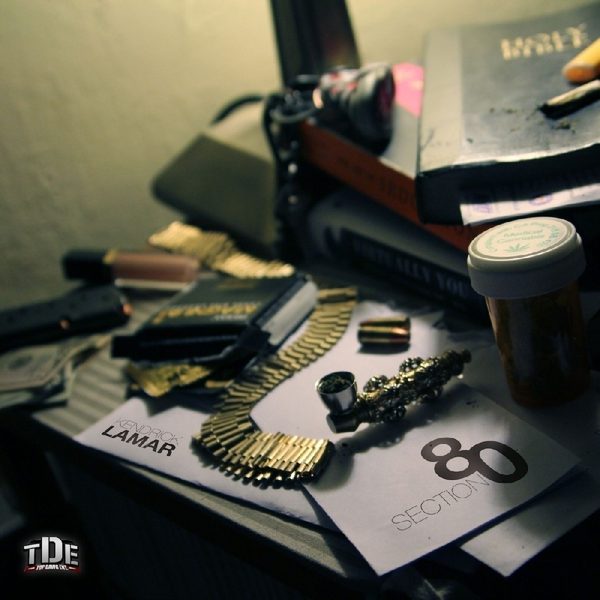
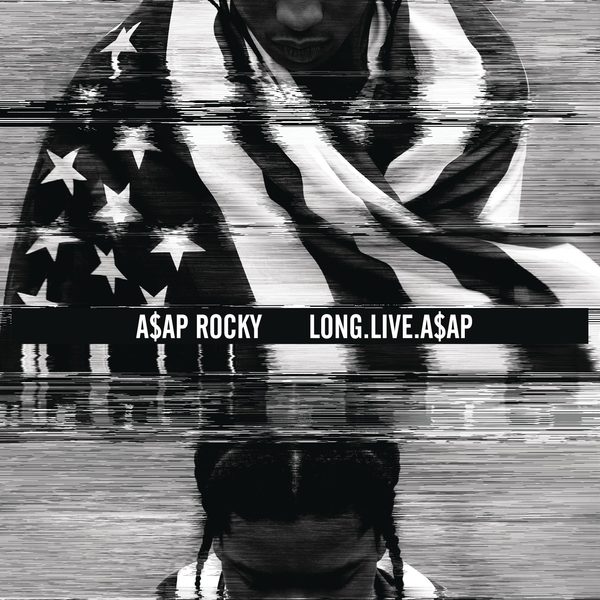
    Odd Future, a Los Angeles crew led by Tyler, the Creator, built a following through Tumblr and free downloads, and A$AP Rocky's 'Live.Love.A$AP' mixed Harlem style with Houston and Memphis sounds. Kendrick Lamar released 'Section.80', and 'Watch the Throne' showed how big the mainstream had become. In July Spotify launched in the United States.

    Released in 2011

  3. 2012

    Drill, and 'good kid, m.A.A.d city'

    Chicago teenager Chief Keef's 'I Don't Like' spread through YouTube and received a Kanye West remix, drawing national attention to drill. The scene was already developing through artists including King Louie, Pac Man, Lil Durk and Katie Got Bandz. Its stark production, local video networks and distinct vocal delivery helped reshape later regional rap, while the city's social conditions require careful treatment beyond sensational headlines. Kendrick Lamar's 'good kid, m.A.A.d city' told a coming-of-age story in Compton like a film.

    References: [1], [2]

    Released in 2012

  4. 2013

    2013 to 2014

    The triplet flow, and streams start to count

    Migos's 'Versace' made their triplet flow one of the most copied habits of the decade, while Young Thug and Future bent rap toward melody. Billboard began counting YouTube views toward the Hot 100 in February 2013 and streams toward its album chart in December 2014. Macklemore and Ryan Lewis's independent 'Thrift Shop' went to number one, and their win over Kendrick Lamar for Best Rap Album drew wide criticism. In 2014 Apple bought Beats, co-founded by Dr. Dre, for about $3 billion.

    2013–2015

    Future and Metro Boomin push trap toward melody and atmosphere

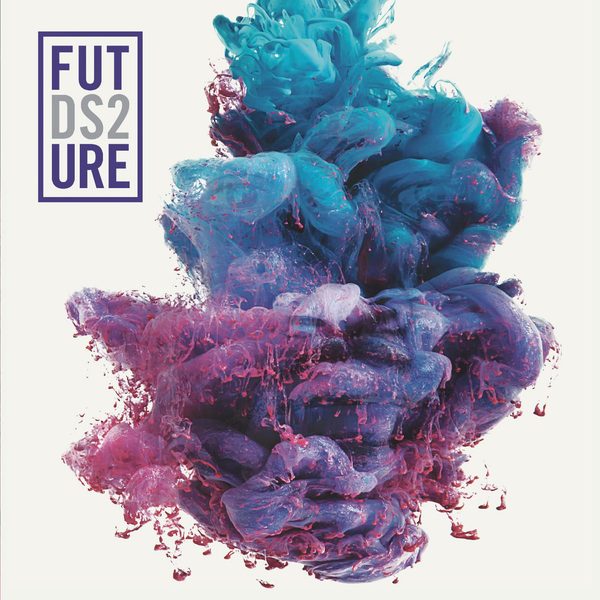
    Future and Metro Boomin's collaboration developed from Karate Chop in 2013 into a run of influential mixtapes and albums, including Monster and DS2. Future's Auto-Tuned, emotionally expressive vocals combined with Metro's atmospheric, often ominous production to broaden trap's sonic palette. Their work helped normalize the rapper-producer partnership as a central creative identity and influenced the melodic direction of mainstream rap.

    References: [1], [2]

    Released in 2013

  5. 2014

    2014–2016

    Young Thug stretches the possibilities of the rapped voice

    Across his 2014 collaborative recordings, Barter 6 in 2015 and Jeffery in 2016, Atlanta rapper Young Thug treated the voice as a highly flexible instrument. Slurred syllables, sudden pitch changes, melodic runs and unexpected rhythmic accents challenged older divisions between rapping and singing. His approach became an important influence on younger melodic trap artists and the wider Atlanta scene.

    References: [1], [2]

    Released in 2014

  6. 2015

    'To Pimp a Butterfly' and 'Hamilton'

    Kendrick Lamar recorded with jazz musicians including Thundercat, Terrace Martin and Kamasi Washington and made an album about fame, depression and Black America. Its song 'Alright' was chanted at protests against police violence. Future's run of mixtapes and 'DS2' made him trap's most imitated voice, and on Broadway Lin-Manuel Miranda's 'Hamilton' told American history through rap.

    Streaming becomes the largest share of US recorded-music revenue

    The Recording Industry Association of America reported that streaming accounted for 34.3 percent of US recorded-music revenue in 2015, slightly exceeding digital downloads for the first time. This industry-wide shift changed how hip-hop labels and independent artists measured success, planned releases and reached listeners; the statistic describes all US recorded music, not rap alone.

    References: [1]

    The Smithsonian acquires a major hip-hop photography archive

    The National Museum of African American History and Culture acquired Bill Adler's Eyejammie Hip-Hop Photography Collection in 2015. The collection includes hundreds of images by dozens of photographers and later informed the museum's Represent: Hip-Hop Photography exhibition. The acquisition helped preserve the visual history of performers, neighborhoods and communities alongside the music.

    References: [1]

    Released in 2015

  7. 2016

    2016 to 2017

    SoundCloud and rap on top

    Young artists uploading to SoundCloud, from Lil Uzi Vert to Playboi Carti, reached millions before signing anything. Chance the Rapper's 'Coloring Book' became the first streaming-only album to win a Grammy. Cardi B's 'Bodak Yellow' made her the first solo woman rapper to top the Hot 100 since Lauryn Hill in 1998, and in July 2017 Nielsen reported that R&B and hip-hop had passed rock as the most-consumed music in the US for the first time.

    2016–2019

    Emo rap fuses trap production with confessional rock-influenced songwriting

    Artists including Lil Peep, XXXTentacion and Juice WRLD brought emo, pop-punk and alternative-rock influences into music built around rap percussion and internet-first release strategies. Lil Peep's 2016 mixtapes and Juice WRLD's 2018 breakout illustrate the movement's range, from guitar samples and raw bedroom recordings to melodic chart hits. The scene broadened mainstream expectations of rap vocals and emotional subject matter while revealing the risks surrounding rapidly rising young artists.

    References: [1], [2], [3]

    2016–2017

    SoundCloud-era artists reshape how American rap breaks through

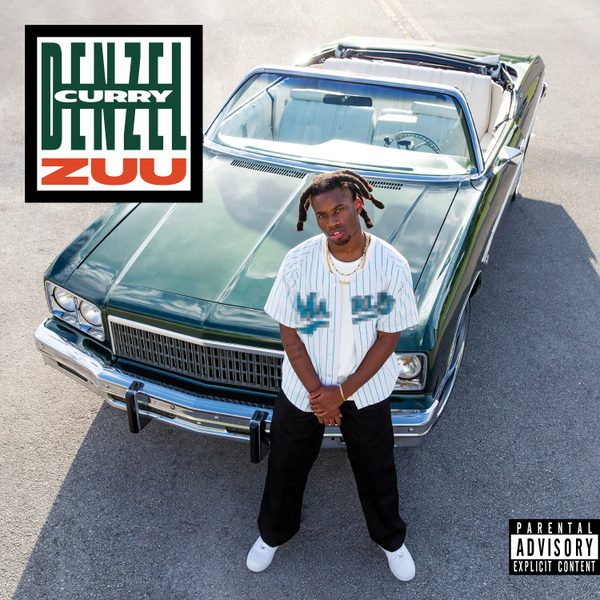
    In the mid-2010s, rappers including Lil Uzi Vert, Lil Yachty, Denzel Curry and a growing South Florida scene built audiences through SoundCloud, social media and self-directed online releases. Their rise challenged the older sequence of local radio, label deals and national marketing. Pitchfork's reporting tracks the business shift, while The Ringer documents the scene through interviews with artists and collaborators.

    References: [1], [2]

    Released in 2016

  8. 2017

    Released in 2017

  9. 2018

    A Pulitzer for 'DAMN.'

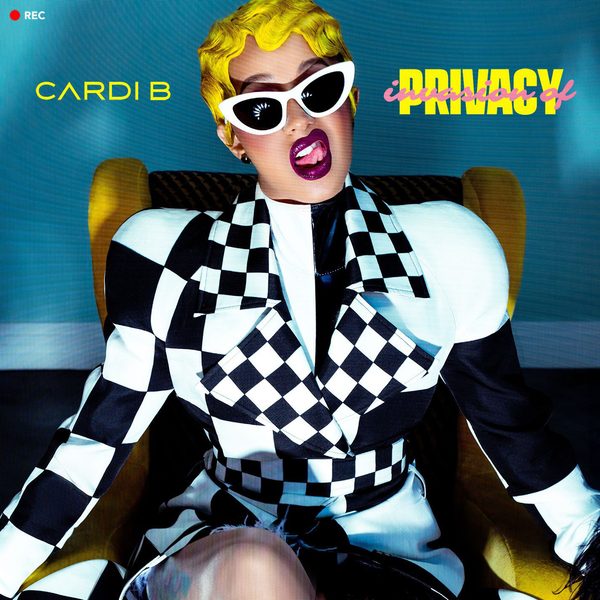
    Kendrick Lamar won the Pulitzer Prize for Music for 'DAMN.', the first time it went to a work outside classical music and jazz. Travis Scott's 'Sicko Mode' went to number one, and Cardi B's 'Invasion of Privacy' later won Best Rap Album, the first by a solo woman. TikTok merged with Musical.ly that August and soon became the place hits were born.

    References: [1]

    Released in 2018

  10. 2019

    Rap wins the biggest awards

    Childish Gambino's 'This Is America' became the first rap song to win the Grammys for Record and Song of the Year. Lil Nas X's 'Old Town Road', spread through TikTok, spent 19 weeks at number one on the Hot 100, a record at the time. Forbes named Jay-Z hip-hop's first billionaire, and Nipsey Hussle was shot dead outside his store in Los Angeles.

    Released in 2019

50 covers in the collection from 2010 to 2019.

2020 to 2026

Modern hip-hop

Rap is a major part of popular music worldwide, with distinct regional histories and styles. Drill and rage are the sounds of the young, independent veterans make some of the best records, women lead the charts, and hip-hop has been honoured at the Super Bowl and the Pulitzers. The story is still being written.

Notable Figures
About this era How it sounded and looked, where and why it grew, and what it left behind

What it sounded like

Drill, from Pop Smoke's Brooklyn to the Bronx's sample drill. Rage, from Playboi Carti's 'Whole Lotta Red' to Ken Carson and Yeat. Plugg, Detroit street rap, Memphis's GloRilla, Griselda and the drumless loops of The Alchemist and billy woods. Jersey club in the mix, and the West Coast bounce back on top with 'GNX'.

What it looked like

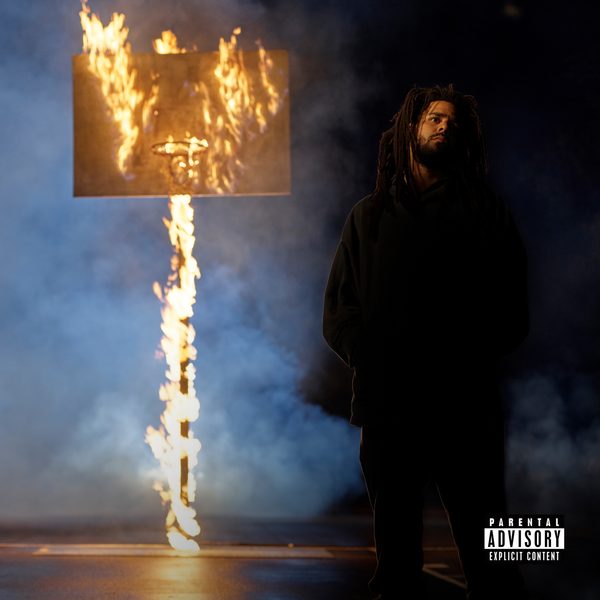
Pharrell at Louis Vuitton (2023), A$AP Rocky co-chairing the 2025 Met Gala, Opium's goth-punk, Tyler's Golf le Fleur, a Y2K revival and drill balaclavas. Covers are personal again: Kendrick with his 1987 Buick on 'GNX', J. Cole's teenage bedroom on 'The Fall-Off', Baby Keem as a baby on 'Ca$ino', a cover by Tim Burton for 'Don't Be Dumb'. Vinyl variants drive first-week sales again.

Where and why it grew

COVID-19 lockdowns pushed everything online, and TikTok and YouTube Shorts now build regional scenes. The George Floyd protests revived protest rap. Owning masters became realistic for independents, and courts became part of the story, from lyrics used as evidence to the Sean Combs and Tupac cases.

The technology

TikTok as the hit engine, surprise Monday releases and deluxe editions, livestream rollouts and vinyl variants.

What it changed

The Super Bowl, the Pulitzer and the Senate's Hip-Hop 50 resolution made hip-hop an institution. Women and queer artists are more visible than ever, and California limited the use of lyrics as evidence in 2022.

What it left behind

Still being written. Its longer-term legacy is still unfolding. Drill, rage, independent distribution, women's commercial breakthroughs and debates about AI are all part of the decade's developing history.

  1. 2020

    Pop Smoke, 'WAP' and Verzuz

    Pop Smoke was killed in February at 20, and his posthumous debut went to number one. Megan Thee Stallion's 'Savage' remix with Beyoncé reached number one, and 'WAP' with Cardi B drew 93 million US streams in its first week, a record. With concerts cancelled, Timbaland and Swizz Beatz began Verzuz on Instagram Live in March. Their song-for-song showcases gave established artists new digital audiences and drove renewed interest in their catalogs, demonstrating a new form of music-centered livestreaming.

    2020–2024

    Short-form video changes how American audiences discover rap

    TikTok and other short-form video platforms accelerated a discovery model built around reusable song clips, dance trends and fan-made videos. Rap songs could reach large audiences through repeated participation before traditional radio campaigns. Luminate's US research found that TikTok users were more likely than comparable social-video users to discover music on those platforms, although the figures measure music overall rather than rap alone. The change altered how artists, listeners and labels approached promotion.

    References: [1], [2]

    Released in 2020

  2. 2021

    2021 to 2022

    The Super Bowl gets a hip-hop show

    Dr. Dre, Snoop Dogg, Eminem, Mary J. Blige, Kendrick Lamar and 50 Cent played the Super Bowl LVI halftime show in Los Angeles in February 2022, the first built around hip-hop, and it became the first halftime show to win an Emmy. Migos's Takeoff was shot dead in Houston.

    The Smithsonian publishes a major hip-hop anthology

    Smithsonian Folkways released the Anthology of Hip-Hop and Rap, combining 129 recordings with a richly illustrated companion volume and scholarly commentary. Its curators documented regional styles, recordings, photographs and material culture, helping make hip-hop history accessible as an archival and educational subject.

    References: [1]

    Released in 2021

  3. 2022

    Released in 2022

  4. 2023

    Fifty years

    Hip-hop marked its 50th birthday with a concert at Yankee Stadium, a tribute at the Grammys and a US Senate resolution honouring the culture.

    Released in 2023

  5. 2024

    Kendrick against Drake

    Over a few weeks in the spring, Kendrick Lamar and Drake traded diss tracks, ending with Lamar's 'Not Like Us', a West Coast party song produced by Mustard that went to number one. Doechii's 'Alligator Bites Never Heal' and Lamar's surprise album 'GNX' closed the year.

    Released in 2024

    • We Don't Trust You by Future & Metro Boomin, cover

      2024 · Album

      We Don't Trust You

      Future & Metro Boomin

      Kendrick Lamar's verse on 'Like That' reignited competitive rap and started the year's great feud.

      ListenSpotify, Apple Music, YouTube

    • Not Like Us by Kendrick Lamar, cover

      2024 · Song

      Not Like Us

      Kendrick Lamar

      A standalone single produced by Mustard. It went to No. 1, spent a record 21 weeks atop Hot Rap Songs and won all five of its Grammy nominations, including Record and Song of the Year.

      ListenSpotify, Apple Music, YouTube

    • Alligator Bites Never Heal by Doechii, cover

      2024 · Mixtape

      Alligator Bites Never Heal

      Doechii

      A mixtape that won Best Rap Album, making Doechii the third woman to win it.

      ListenSpotify, Apple Music, YouTube

    • Glorious by GloRilla, cover

      2024 · Album

      Glorious

      GloRilla

      Memphis energy in the mainstream; nominated for Best Rap Album.

      ListenSpotify, Apple Music, YouTube

    • Chromakopia by Tyler, the Creator, cover

      2024 · Album

      Chromakopia

      Tyler, the Creator

      Anxiety, family and identity; released on a Monday morning and debuted at No. 1.

      ListenSpotify, Apple Music, YouTube

    • GNX by Kendrick Lamar, cover

      2024 · Album

      GNX

      Kendrick Lamar

      A celebration of West Coast sound. 'Squabble Up' and 'Luther' went to No. 1, and it won Best Rap Album in 2026.

      ListenSpotify, Apple Music, YouTube

  6. 2025

    A solo headliner at the Super Bowl

    'Not Like Us' won five Grammys in February, including Record and Song of the Year, and Doechii became the third woman to win Best Rap Album. A week later Lamar became the first solo hip-hop artist to headline the Super Bowl halftime show, watched by an average of 133.5 million people in the US, the most-watched halftime on record. Playboi Carti's 'MUSIC' had the biggest rap week of the spring, and in the summer Clipse returned with 'Let God Sort Em Out', their first album in 16 years, released independently.

    Released in 2025

  7. 2026

    The most-awarded rapper in Grammy history

    In February 'GNX' won the Grammy for Best Rap Album and 'Luther' won Record of the Year, taking Lamar to 27 Grammys, more than any other rapper. Clipse's 'Chains & Whips' won Best Rap Performance. Big releases kept coming: A$AP Rocky's 'Don't Be Dumb', with a cover by Tim Burton, and J. Cole's double album 'The Fall-Off', billed as his last. Fifty-three years after a rec room party in the Bronx, the story keeps going.

    Released in 2026

    • Don't Be Dumb by A$AP Rocky, cover

      2026 · Album

      Don't Be Dumb

      A$AP Rocky

      His first album in eight years, with a cover by Tim Burton; it debuted at No. 1.

      ListenSpotify, Apple Music, YouTube

    • The Fall-Off by J. Cole, cover

      2026 · Album

      The Fall-Off

      J. Cole

      A double album billed as his last; it debuted at No. 1, his seventh.

      ListenSpotify, Apple Music, YouTube

    • Ca$ino by Baby Keem, cover

      2026 · Album

      Ca$ino

      Baby Keem

      Nearly five years in the making, with Kendrick Lamar and Too Short among the guests.

      ListenSpotify, Apple Music, YouTube

28 covers in the collection from 2020 to 2026.