Rap in the 2020s has unfolded across a vast network of local scenes and global platforms. Drill, trap, rage, melodic rap, and more traditional sample-based styles coexist, while artists move fluidly among genres and languages. Streaming remains central to listening, and short-form video has accelerated the speed at which songs can reach audiences, sometimes before an artist has released a full album.
The decade has also highlighted the importance of regional identity within a connected world. New York, Atlanta, Detroit, Memphis, and other American centers continue to generate distinctive sounds, while rap scenes in France, the United Kingdom, South Africa, Nigeria, Brazil, and beyond contribute their own musical vocabularies. Independent distribution has opened opportunities, though platform dependence and the economics of streaming present new challenges.
Rap’s cultural conversations have increasingly included ownership, authenticity, artistic independence, and the influence of technology. Artists and listeners negotiate the tension between fast-moving viral moments and lasting bodies of work. Because the decade is still unfolding, its defining movements and records remain subjects of debate rather than settled history.
Cover design reflects that openness. Artists combine candid photography, stark portraits, hand-drawn illustration, collage, 3D imagery, and heavily manipulated digital compositions. Some sleeves deliberately recall the physical-media aesthetics of earlier decades; others are designed to circulate as recognizable icons across social feeds and streaming interfaces. As tools and tastes change, the album cover remains a place where rap artists define how their music should be seen.
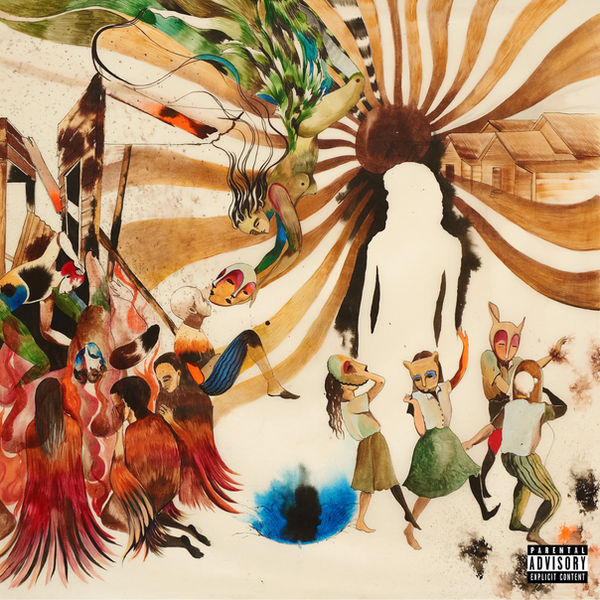 God Does Like Ugly
 Let God Sort Em Out
Alligator Bites Never Heal
 CHROMAKOPIA
 GNX
 We Don't Trust You
 For All the Dogs
 Magic 3
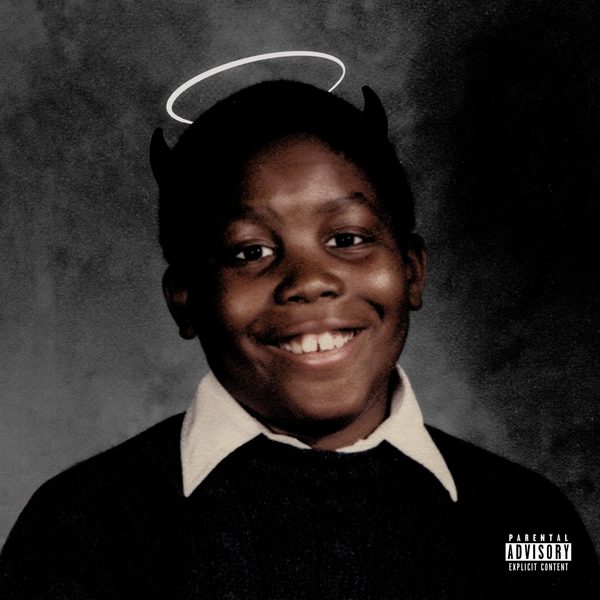 Michael
 UTOPIA
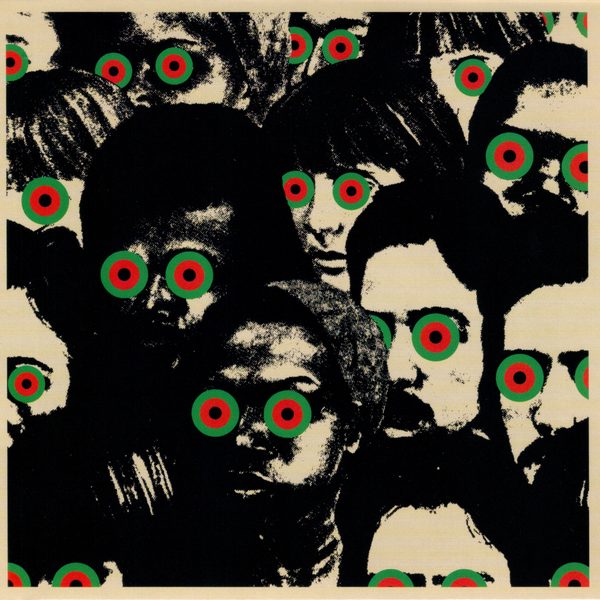 Cheat Codes
 I Never Liked You
 It's Almost Dry
 King's Disease III
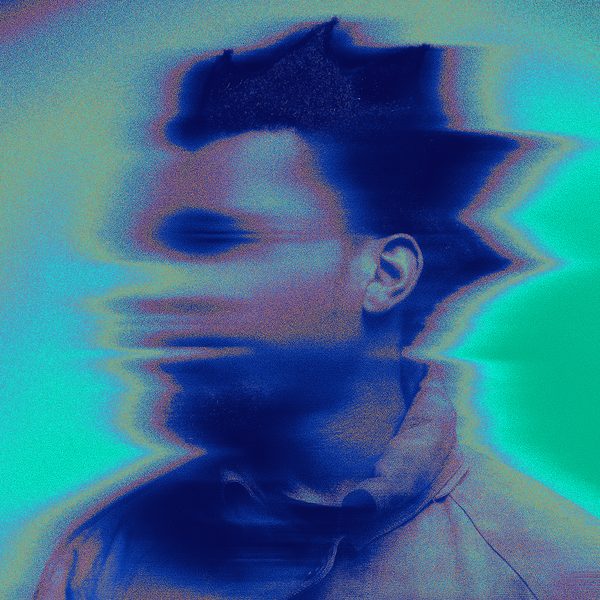 Melt My Eyez See Your Future
 Mr. Morale & the Big Steppers
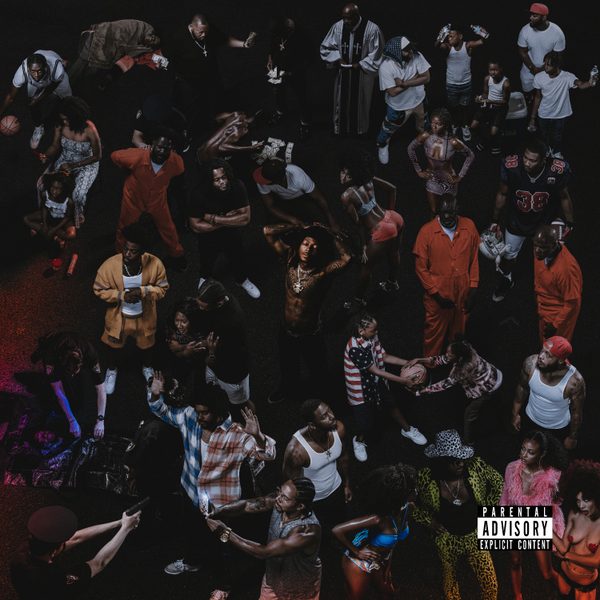 The Forever Story
 Call Me If You Get Lost
 Donda
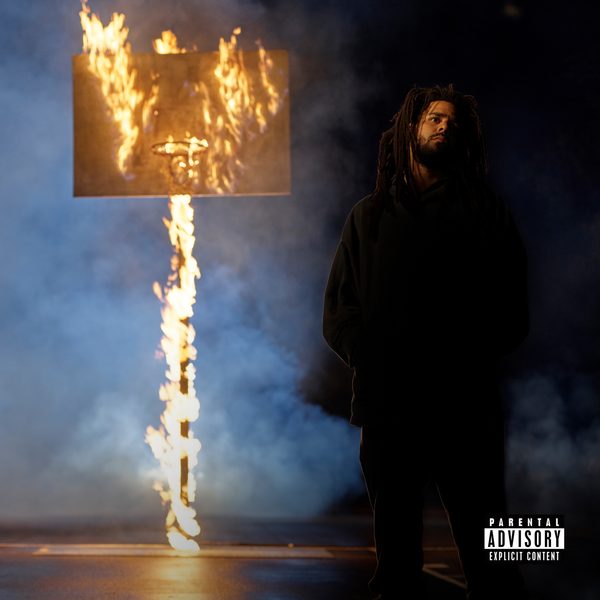 The Off-Season
 Alfredo
 King's Disease
 My Turn
 Pray for Paris
 RTJ4
Savage Mode II
 Shoot for the Stars, Aim for the Moon
 Whole Lotta Red