2000s

Rap entered the 2000s as an established commercial power and became central to global popular culture. Jay-Z, Eminem, 50 Cent, Kanye West, Lil Wayne, and many others reached enormous audiences, while the genre shaped fashion, advertising, television, and the language of celebrity. Its popularity did not produce one uniform sound: regional scenes continued to compete, collaborate, and reinvent what mainstream rap could be.

Rap in the 2000s

Rap entered the 2000s as an established commercial power and became central to global popular culture. Jay-Z, Eminem, 50 Cent, Kanye West, Lil Wayne, and many others reached enormous audiences, while the genre shaped fashion, advertising, television, and the language of celebrity. Its popularity did not produce one uniform sound: regional scenes continued to compete, collaborate, and reinvent what mainstream rap could be.

The American South became especially influential. Atlanta, Houston, New Orleans, and Memphis helped propel crunk, trap’s early mainstream development, and distinct approaches to rhythm, production, and delivery. At the same time, independent and underground artists explored alternative structures and aesthetics, and the mixtape economy offered an important route to audiences outside conventional album campaigns.

The internet began changing how rap circulated. Downloading, online forums, music blogs, and digital platforms allowed songs and artists to spread quickly, while international scenes expanded in visibility and confidence. By the decade’s end, the foundations of a more decentralized music industry were in place, even as major labels still held substantial influence.

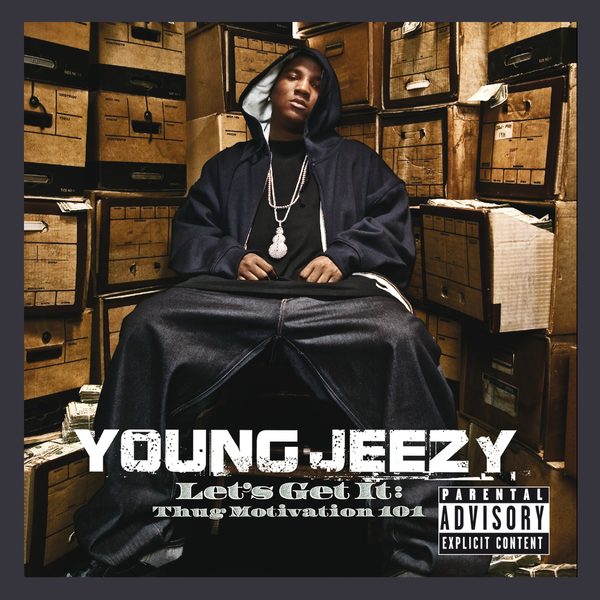
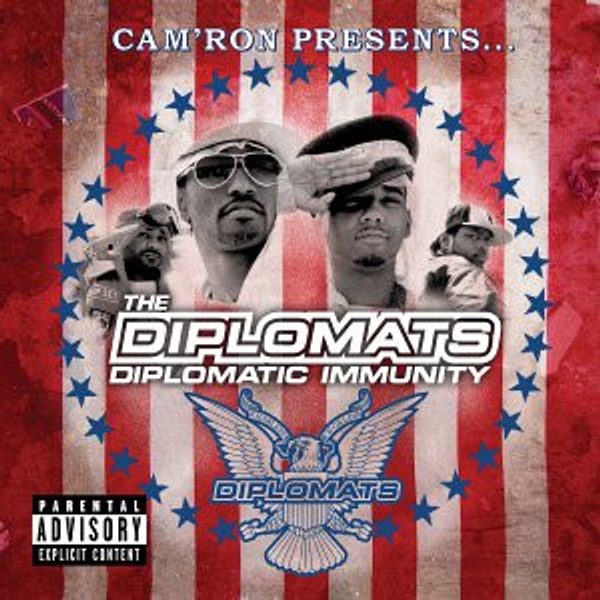
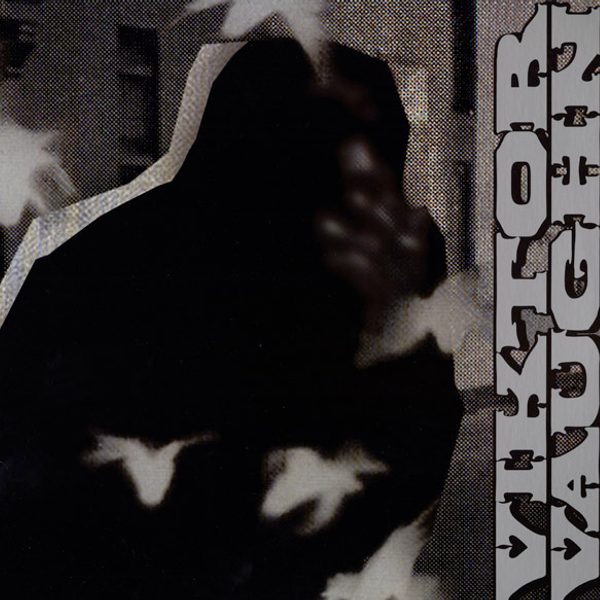
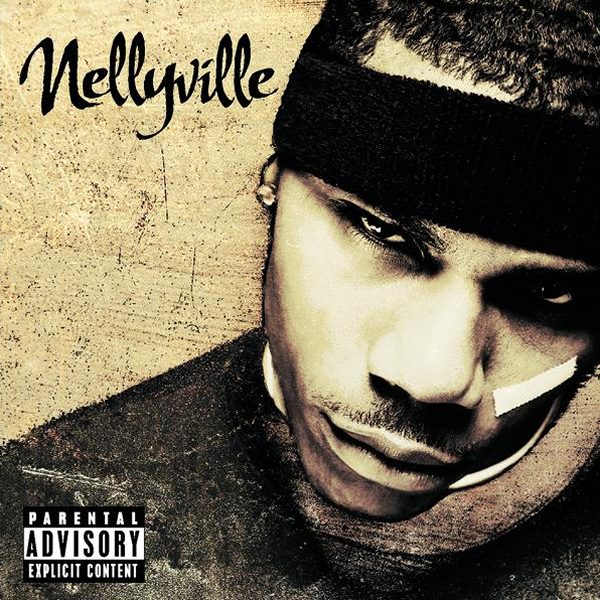
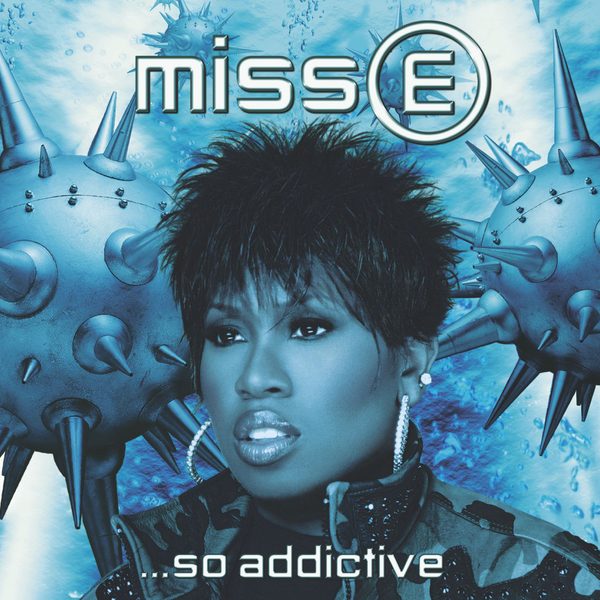
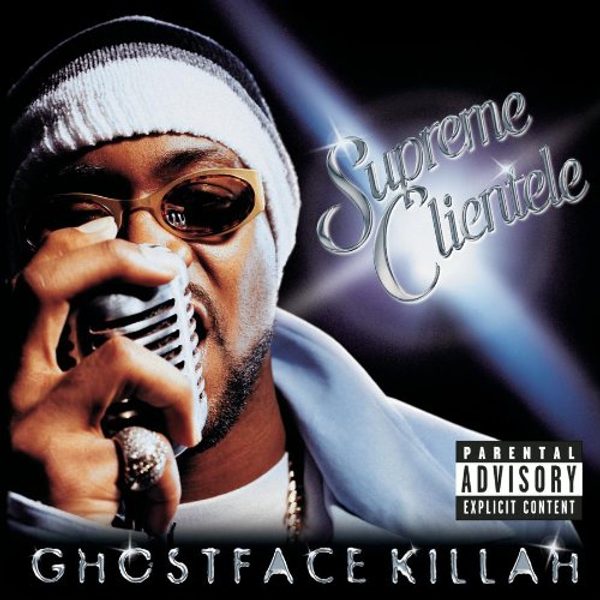
Cover artwork reflected the era’s scale and contradictions. Highly polished portraits, luxury symbols, dramatic lighting, illustrated alter egos, and intricate digital composites competed with minimalist and experimental sleeves. Kanye West’s collaborations with visual artists demonstrated how album imagery could become an extended creative project, while mixtape covers developed their own fast-moving, often maximalist graphic language.