1980s

During the 1980s, rap grew from a New York-centered movement into a recorded genre with a national audience. Drum machines, turntables, sampling, and increasingly intricate rhyme patterns changed the sound, while Run-D.M.C., LL Cool J, Eric B. & Rakim, and Public Enemy demonstrated the range of identities rap could carry. The decade brought club records, street narratives, party anthems, and pointed political commentary into the same expanding culture.

Rap in the 1980s

During the 1980s, rap grew from a New York-centered movement into a recorded genre with a national audience. Drum machines, turntables, sampling, and increasingly intricate rhyme patterns changed the sound, while Run-D.M.C., LL Cool J, Eric B. & Rakim, and Public Enemy demonstrated the range of identities rap could carry. The decade brought club records, street narratives, party anthems, and pointed political commentary into the same expanding culture.

Independent labels and emerging industry partnerships helped records travel beyond their original neighborhoods. Run-D.M.C.’s crossover success and the visibility of rap on television brought new attention, while artists such as N.W.A made Los Angeles a powerful counterpoint to New York. The genre’s regional map was beginning to widen, and hip-hop culture was also taking root in cities outside the United States.

Rap’s lyrical and sonic vocabulary became more ambitious as the decade progressed. Rakim’s internal rhymes and conversational flow influenced generations of MCs; Public Enemy’s dense production and political urgency challenged listeners; and West Coast recordings foregrounded a different set of local experiences. The boundaries of what could be called a rap record expanded rapidly.

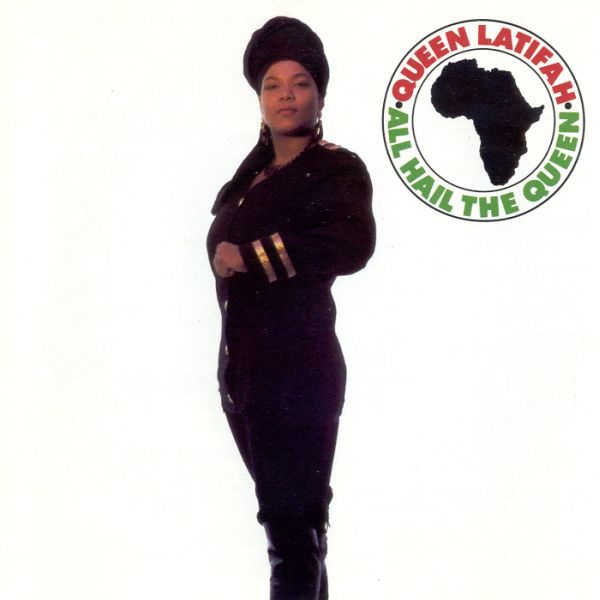
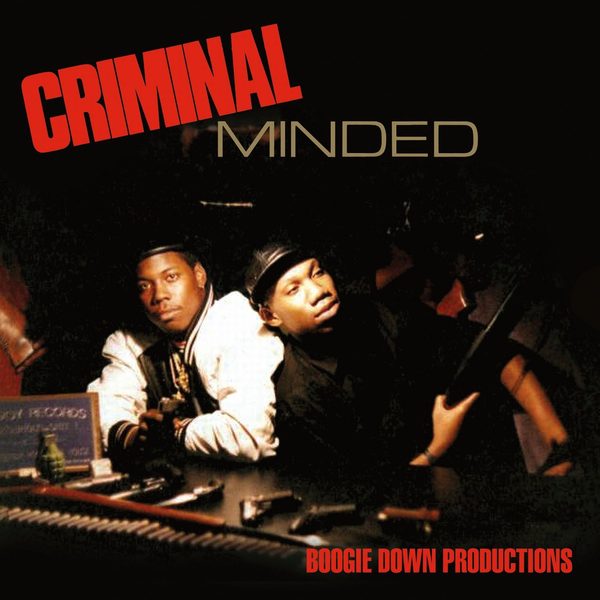
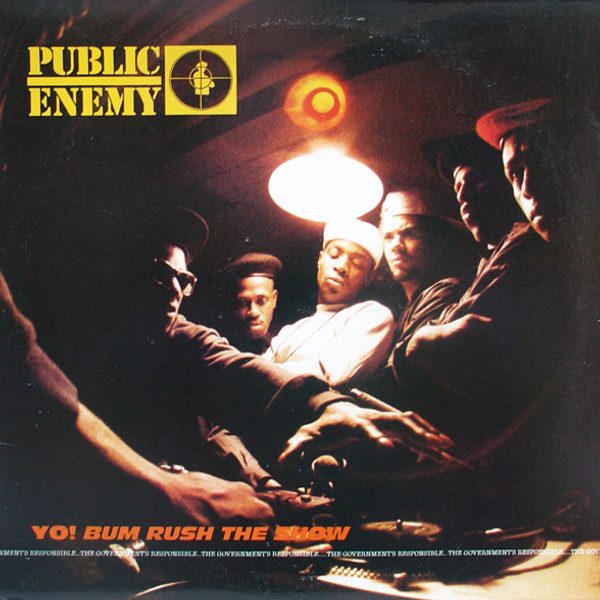
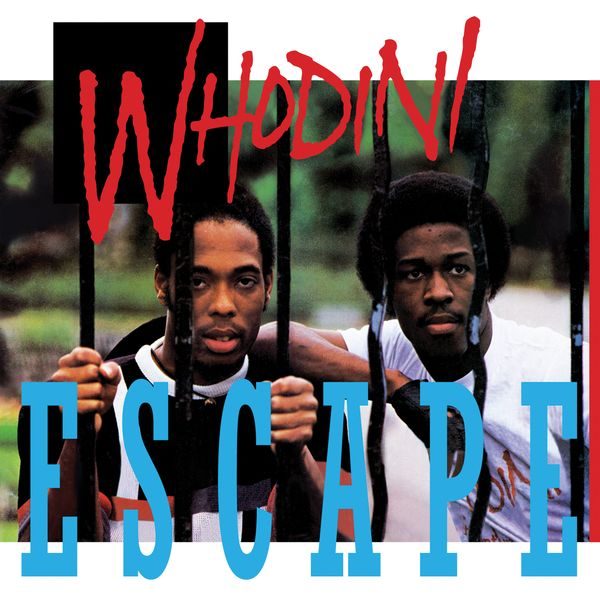
Album sleeves helped make those differences immediately visible. Stark group portraits, leather jackets, sneakers, gold jewelry, bold lettering, and confrontational compositions presented artists as distinct cultural figures. The covers of this era often drew their power from direct photography and graphic clarity, turning style, attitude, and neighborhood affiliation into a recognizable visual identity.